


MATERIALITY
As sustainability becomes a core expectation for businesses, Exotic Food recognizes the growing importance of strong environmental, social, and governance (ESG) performance. We are committed to integrating sustainable development into our operations to create meaningful impacts for all stakeholders.
Stakeholder Engagement
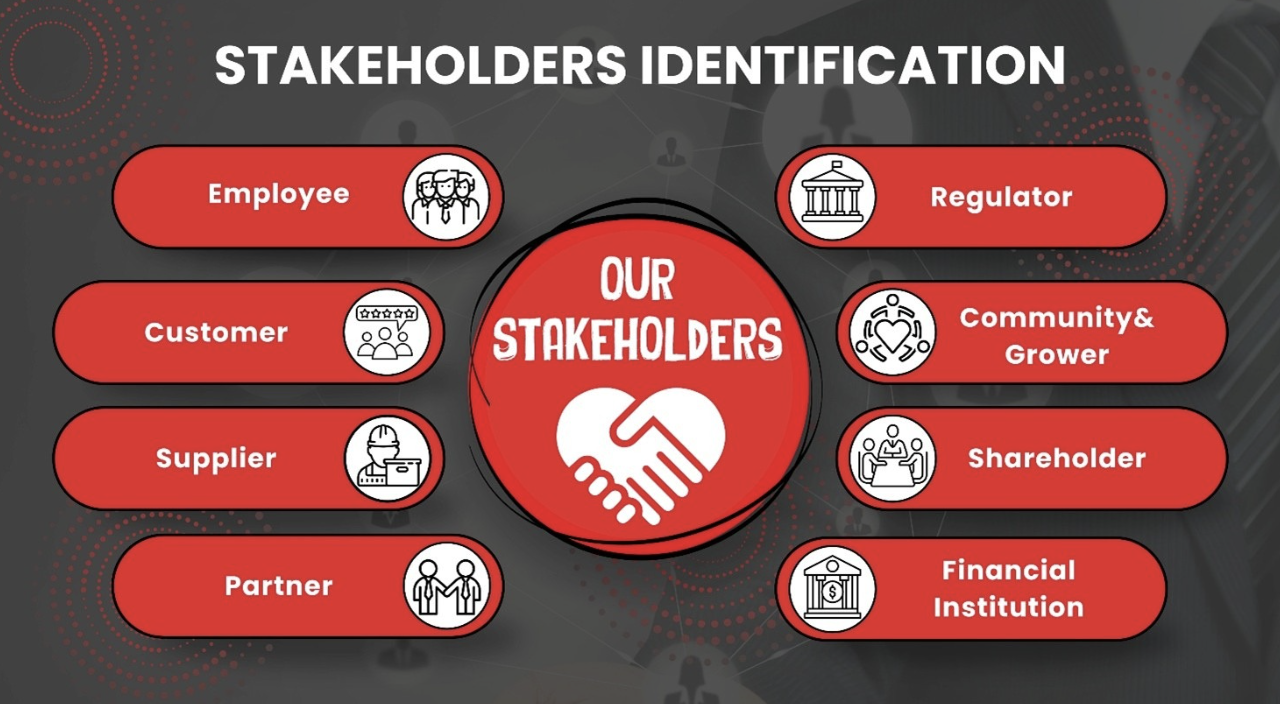
Exotic Food identifies its stakeholders based on their relevance to the Company's operations and the mutual impacts arising from these relationships. We have identified eight key stakeholder groups: employees, customers, suppliers, partners, regulators, communities and growers, shareholders, and financial institutions. Recognizing the importance of fostering mutual and sustainable growth, we engage with these stakeholders on an ongoing basis through approaches tailored to nature and needs of each group.
To fulfil this commitment, beyond ensuring sound business management, we conduct a materiality assessment to identify key sustainability topics that significantly influence both the company and our stakeholders. These material topics help anchor our focus and guide our actions to effectively advance our sustainability efforts.
The company reviews its materiality assessment annually to ensure timely alignment with our business strategy. The latest assessment was completed in December 2024, and the management of each material topic has been carried out from 2025 onwards.
Our Approach to Materiality
Our materiality assessment process follows four key steps aligned with the GRI Standards.

Materiality Matrix of 2025
- ABusiness Opportunity Development
- BResilient Supply Chain
- CLabor Practices
- DWork Environment
- EWaste & Effluent Management
- FRobotic Process Automation (RPA)
- GBrand Identity Enhancement
- HHuman Capital Development
- IEmployee Satisfaction and Engagement
- JBudget Management
- KGreenhouse Gas Emissions
- LEthics and Transparency
- MReduction of Natural Resource Usage
- NCorporate Social Responsibility (CSR)
- OEnergy Usage
- PAI Enablement and Digital Transformation
- QEco-friendly Product Design
Through our materiality analysis process, the company identified a total of 17 Material Topics across three dimensions: six topics under Governance and Economic, six under Social, and five under Environmental. These topics represent the issues most significant to both our business and our stakeholders. In response, the company has developed management plans that align with our business strategy, which is driven by four core missions: Market Expansion, Quality Excellence, Operational Excellence, and People Excellence. This approach ensures that business growth and sustainable development progress in a balanced and mutually reinforcing way.