


Human Rights & Community

HUMAN RIGHTS
The company recognizes respect for human rights as a core element of sustainable business. We have established a Human Rights Policy applicable to our operations and supply chain, reflecting a firm commitment to respecting human rights across the entire value chain. This policy aligns with applicable laws, regulations, and internationally recognized standards, including the Universal Declaration of Human Rights (UDHR) and the United Nations Global Compact (UNGC).
To support policy implementation, the company has defined a Human Rights Due Diligence (HRDD) process. This framework covers the identification of relevant human rights issues, assessment of potential risks, and the prioritization of identified impacts. Based on these insights, we establish appropriate measures to prevent, mitigate, monitor, and address any potential adverse human rights impacts.
HUMAN RIGHTS DUE DILIGENCE PROCESSES
1. POLICY COMMITMENT
Establish and communicate a formal Human Rights Policy.
4. ACTION PLANNING
Define actions and indicators to prevent and mitigate identified risks.
2. RISK IDENTIFICATION
Identify potential human rights risks in operations and the supply chain.
5. GRIEVANCE & REMEDY
Provide mechanisms to address and remediate adverse human rights impacts.
3. IMPACT ASSESSMENT
Assess potential and actual human rights impacts arising from business activities.
6. IMPLEMENTATION & MONITORING
Implement measures and monitor effectiveness on an ongoing basis.

• SCOPE OF HUMAN RIGHTS DUE DILIGENCE
The company defines its human rights due diligence to cover both internal and external operations. Internally, the framework encompasses all organizational units, with a primary focus on our employees. Externally, the assessment extends to stakeholders across the value chain linked directly to our business activities.
• IDENTIFICATION AND ASSESSMENT OF HUMAN RIGHTS RISKS
Human rights risks are identified and assessed by evaluating both the likelihood of occurrence and the severity of potential impacts. Severity is measured across three key dimensions: the scale of the impact, the scope of those affected, and the remediability of the violation.
• GRIEVANCE AND REMEDY MECHANISMS
In the event of a human rights violation, the company provides appropriate remedies tailored to the nature and circumstances of each case. Remedial measures include, as applicable:
- Restitution: Restoring the situation, as far as possible, to the condition prior to the violation.
- Compensation: Providing appropriate compensation, such as financial payment or other forms of support.
- Rehabilitation: Offering or facilitating support and services to assist affected persons in their recovery.
- Satisfaction: Acknowledging the harm caused and communicating corrective actions taken.
- Guarantees of Non-Repetition: Strengthening systems, processes, or policies to prevent recurrence.
- Apology: Issuing an appropriate verbal or written apology.
Examples of Human Rights Risks Identified through HRDD
| Scope | Risk | Activity | Stakeholder | Prevention and Mitigation Measures | Monitoring and Evaluation | Management Measures |
|---|---|---|---|---|---|---|
| Internal (Company) | Employment of Vulnerable Groups | Diversity & Inclusion Management | Employee |
|
|
|
| External (Supply Chain) | Employment by suppliers | Procurement from suppliers | Suppliers |
|
|
|
HUMAN RIGHTS VIOLATION INCIDENTS
The Company reports that no incidents or grievances related to human rights violations occurred during the 2025 reporting period.
COMMUNITY AND SOCIAL IMPACT
As a food manufacturer and distributor, our operations are deeply intertwined with the agricultural sector and broader society. We recognize that responsible business conduct extends beyond operational performance to creating positive, social impact.
We are committed to building constructive, long-term relationships with key stakeholders. Our social engagement strategy focuses on creating shared value and generating sustainable, inclusive growth. To achieve this, we actively support our employees and their families, strengthen resilience among our supply chain partners and chili growers, and provide responsive assistance to broader society during times of emergent need.
We drive this commitment forward through the following key initiatives:
1. Strategic Social Investment: Elevating the Agricultural Value Chain: We view community development as a strategic investment fundamentally integrated into our core operations. Our objective is to strengthen the resilience of our agricultural supply chain while creating lasting, shared value for our farming communities. By supporting sustainable agricultural practices, we empower our partners to enhance their operational efficiency, improve workplace safety, and generate stable livelihoods.
A prime example of this approach is our water management initiative. By supporting farmers with drip irrigation systems, we successfully optimized resource efficiency and significantly increased crop yields by up to 60% per rai (0.16 hectares). Following this initial success, we deliberately initiated a strategic pause in the project's physical expansion. This period is being used to thoroughly assess potential farming areas and identify dedicated partners capable of consistently meeting our rigorous quality and responsible sourcing standards.
By prioritizing this strong, quality-driven foundation, we ensure that our investments deliver maximum long-term value rather than just short-term gains. Moving forward, we are well-positioned to confidently resume the expansion of our agricultural initiatives into new areas. Additionally, we plan to broaden our scope by introducing new community investment projects designed to continuously elevate our supply chain resilience and support the sustainable growth of our farming partners.
2. Social and Community Care Performance: Beyond our strategic investments in the agricultural value chain, we actively engage in community programs to promote basic rights to education, health, and hygiene, while providing essential humanitarian aid during natural disasters. The following are key initiatives carried out in 2025:
•Educational Grants and Scholarships: We believe that equitable access to education is a fundamental driver of community well-being. To actively support the families across our value chain, we awarded 81 educational grants to the children of our employees and 2 dedicated scholarships to the children of our farming partners, helping to alleviate financial burdens and empower the next generation.

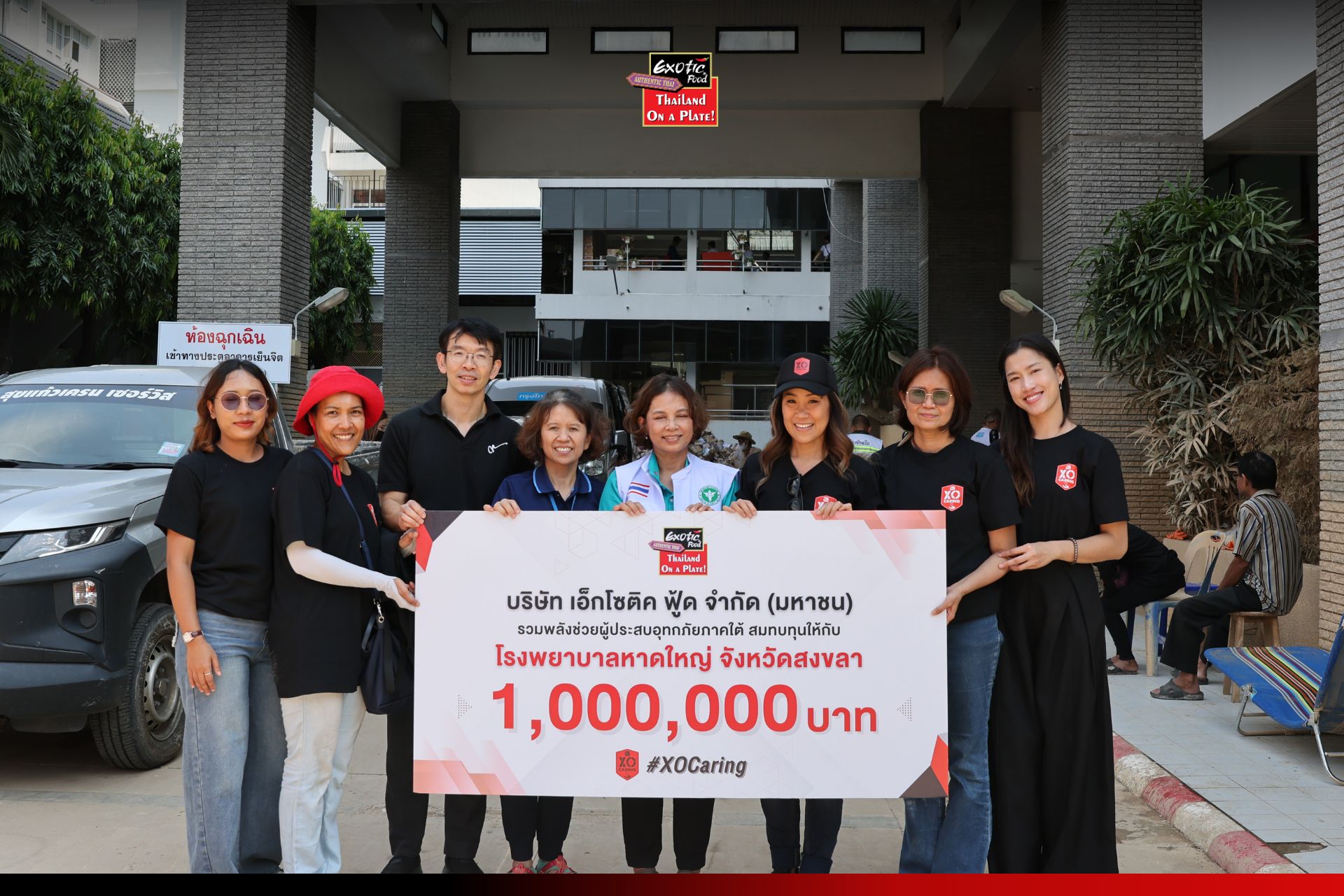
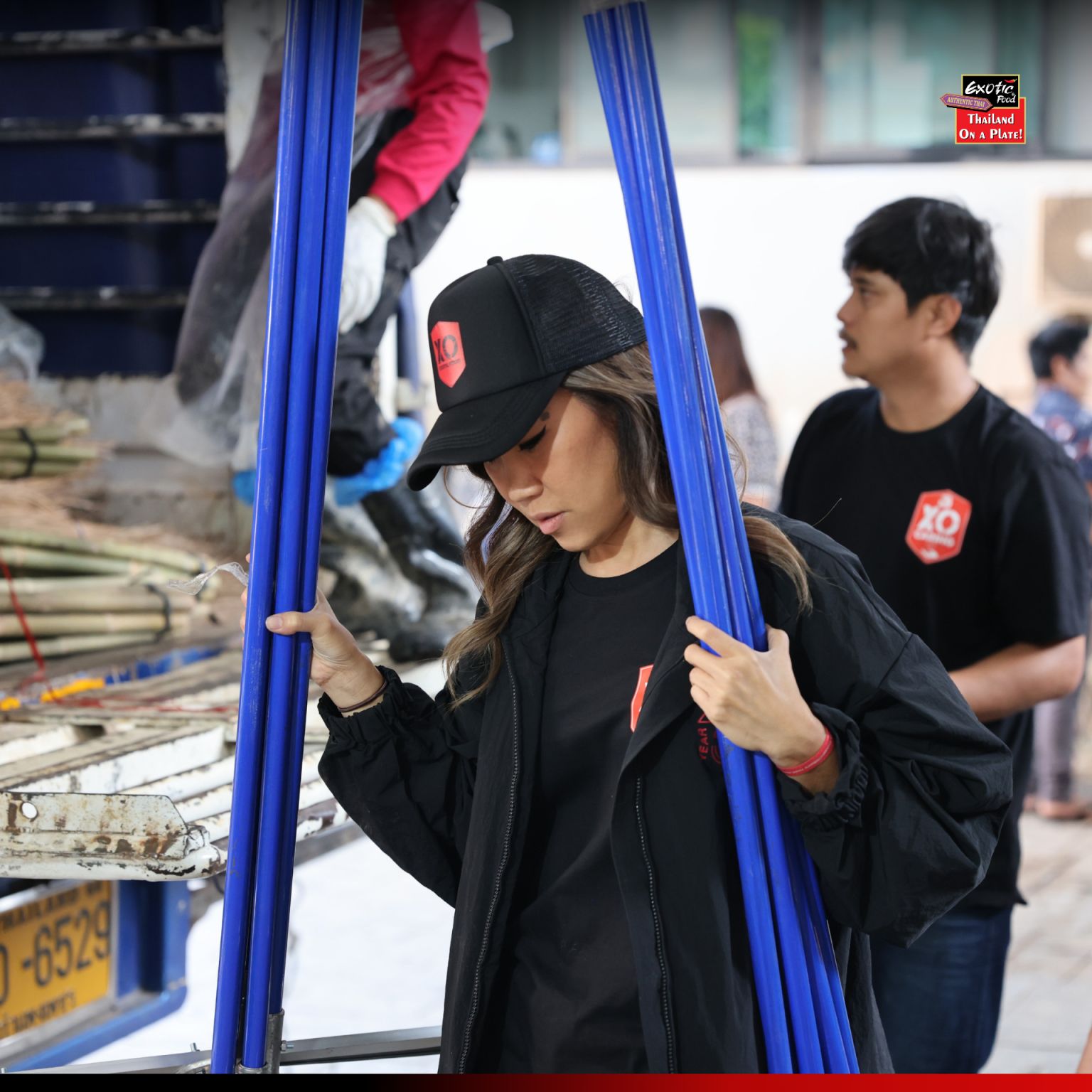
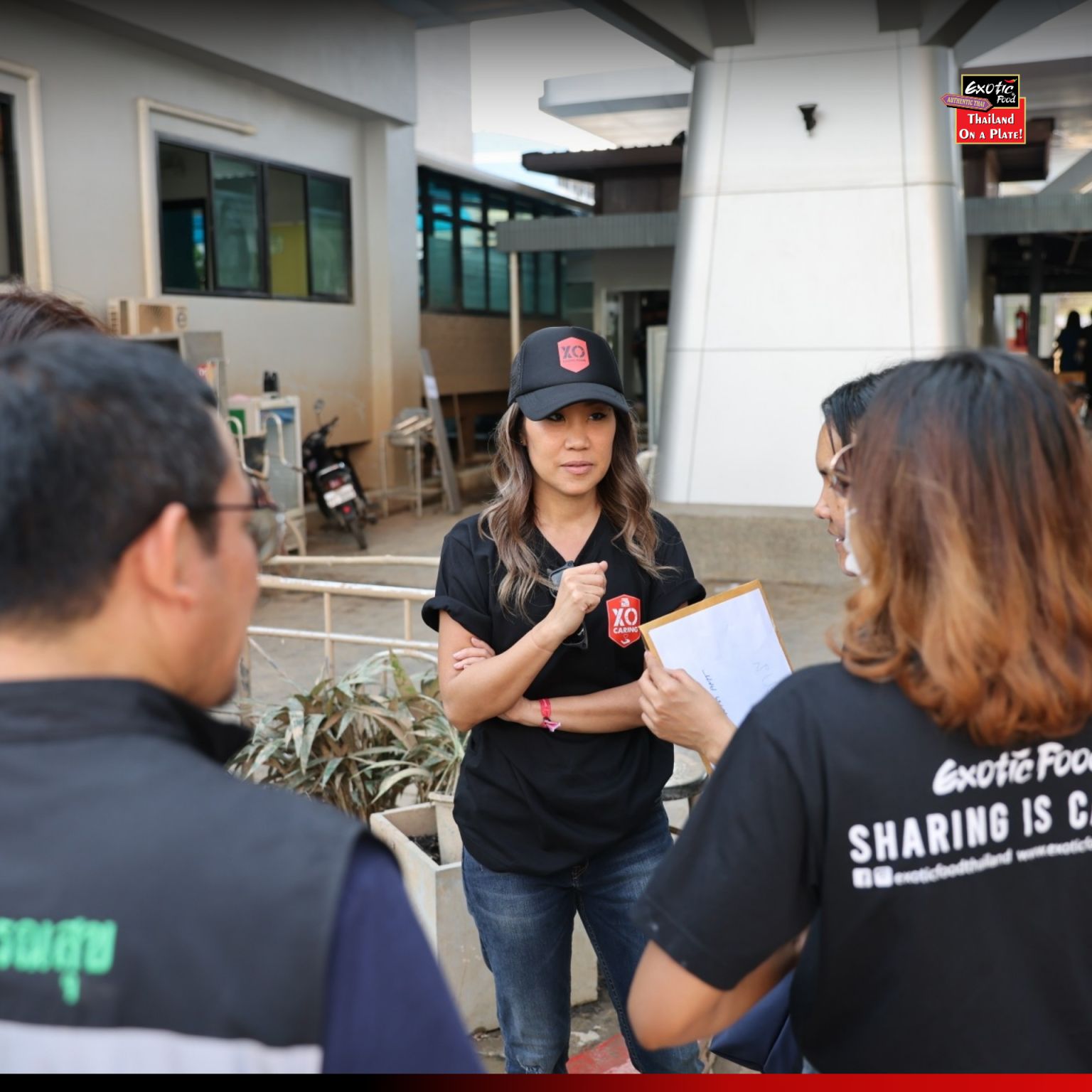
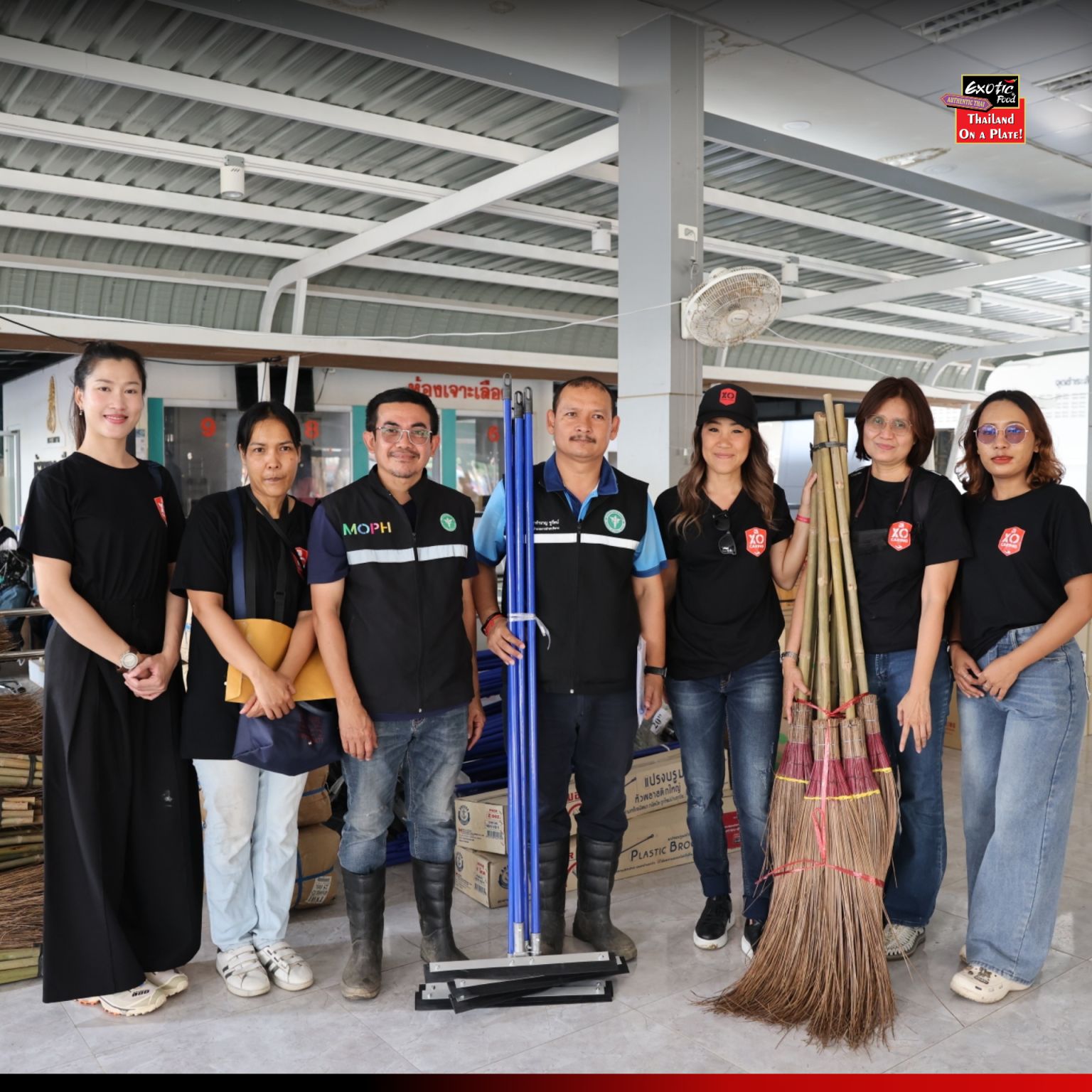
•Comprehensive Flood Relief in Southern Thailand: To provide immediate humanitarian aid during the severe floods, we delivered on-the-ground, multi-dimensional support to affected communities in Songkhla and Satun provinces. This included a 1,000,000 THB donation to Hat Yai Hospital for emergency medical supplies and system repairs, alongside adult diapers for vulnerable bedridden patients. We also supplied essential food ingredients and packaging to Hat Yai Technical College to support a central kitchen distributing fresh meals to displaced residents. For post-disaster recovery, we provided extensive cleaning equipment to Hat Yai Hospital and Senanarong Camp to expedite the restoration of public spaces. Recognizing the broader impact of the crisis, we further extended our aid by delivering pet food and sanitation supplies to Satun province to support animal welfare in stranded areas.
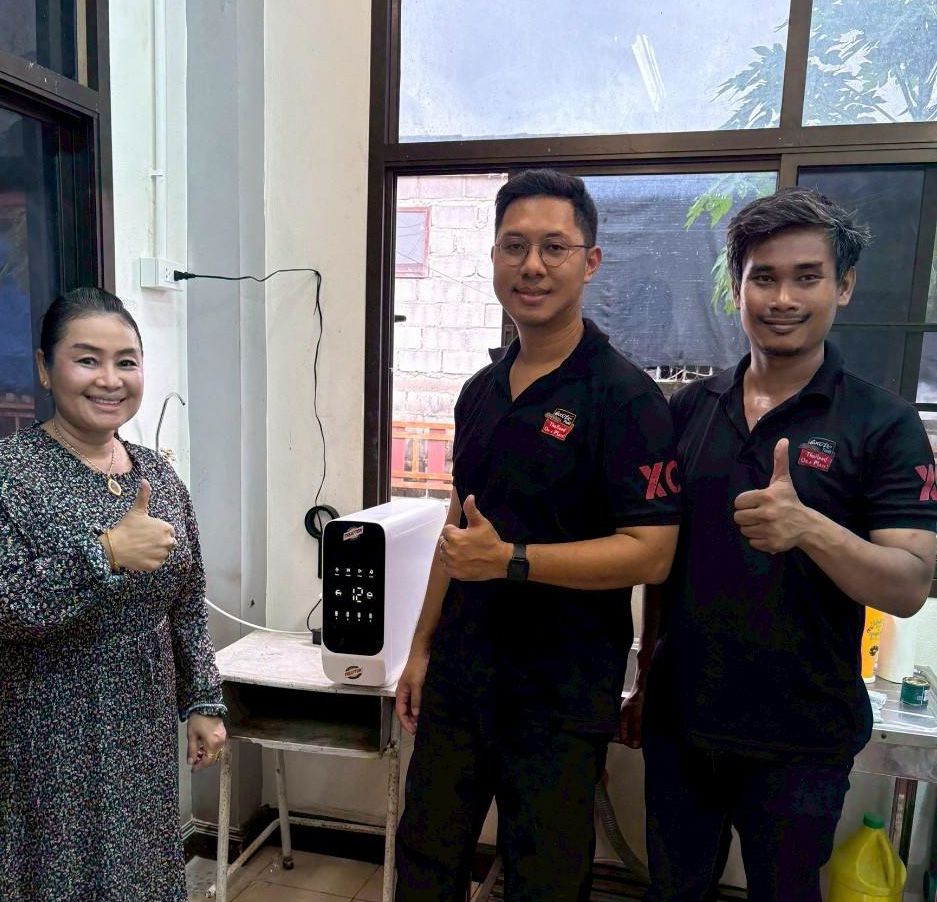
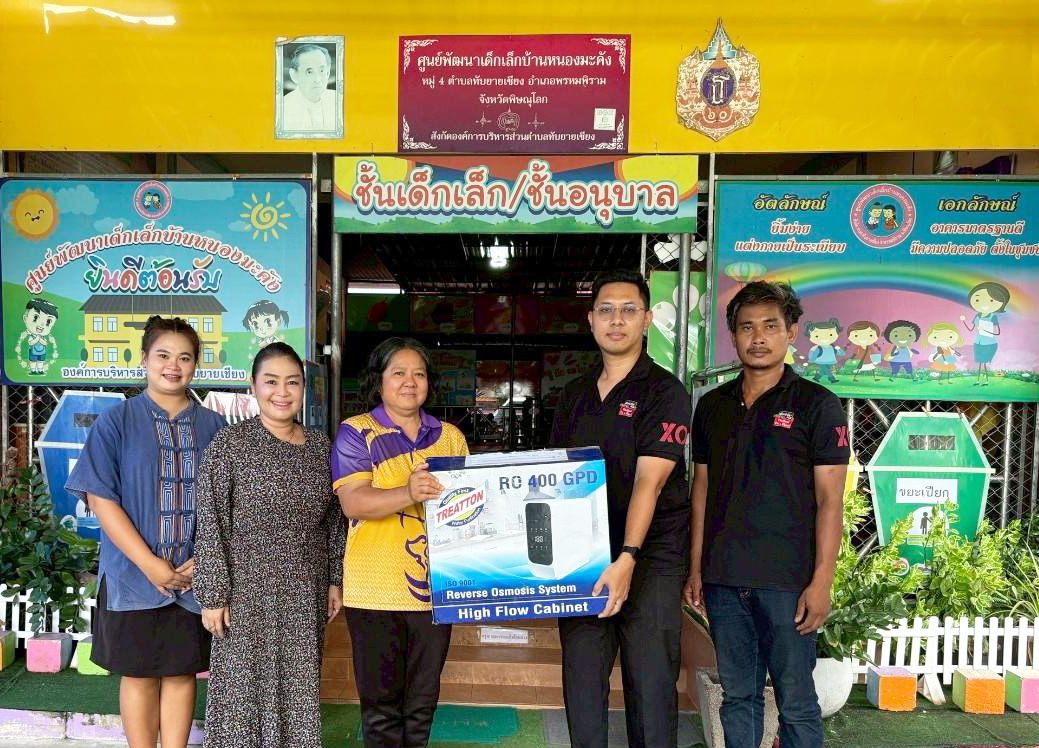
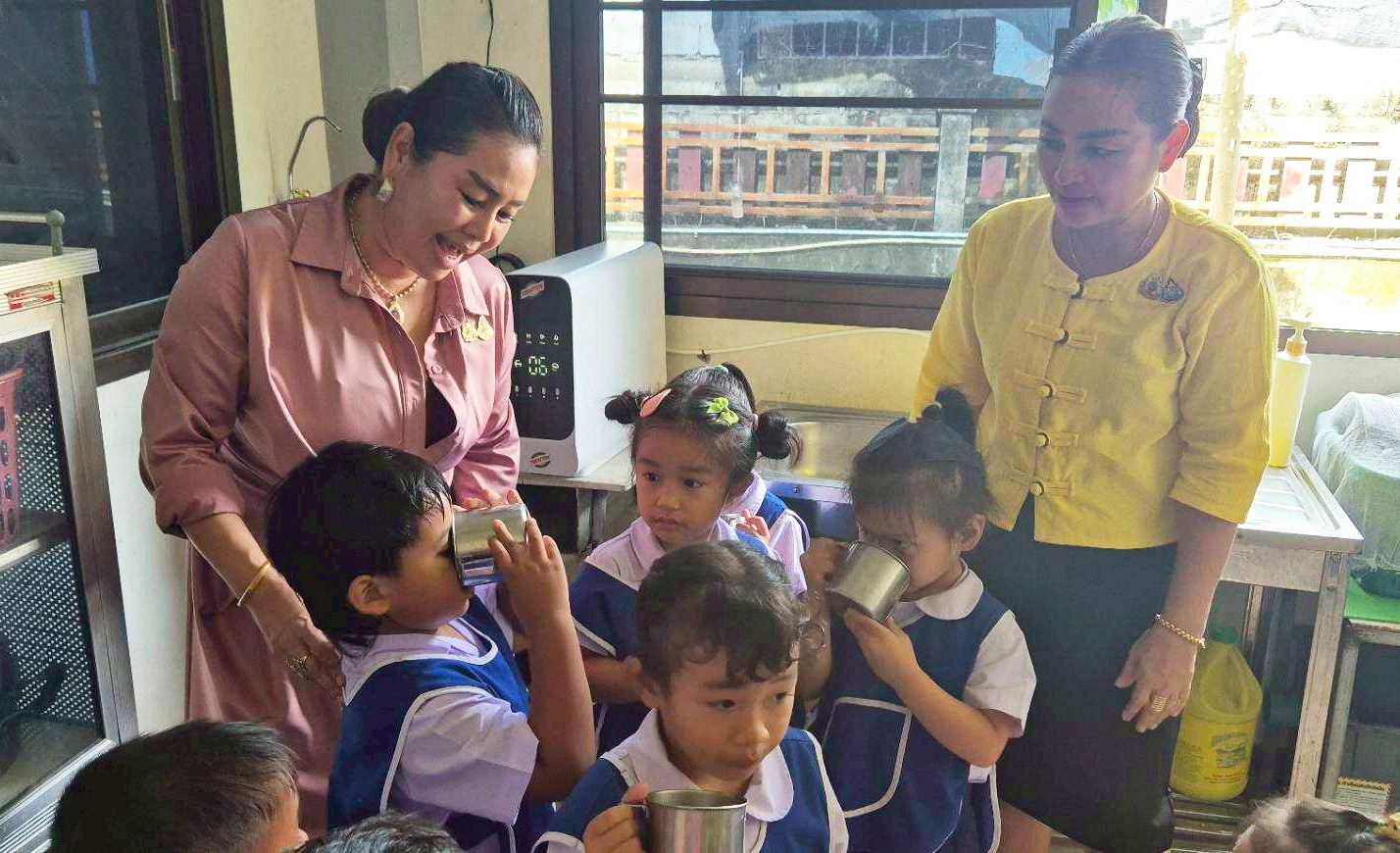
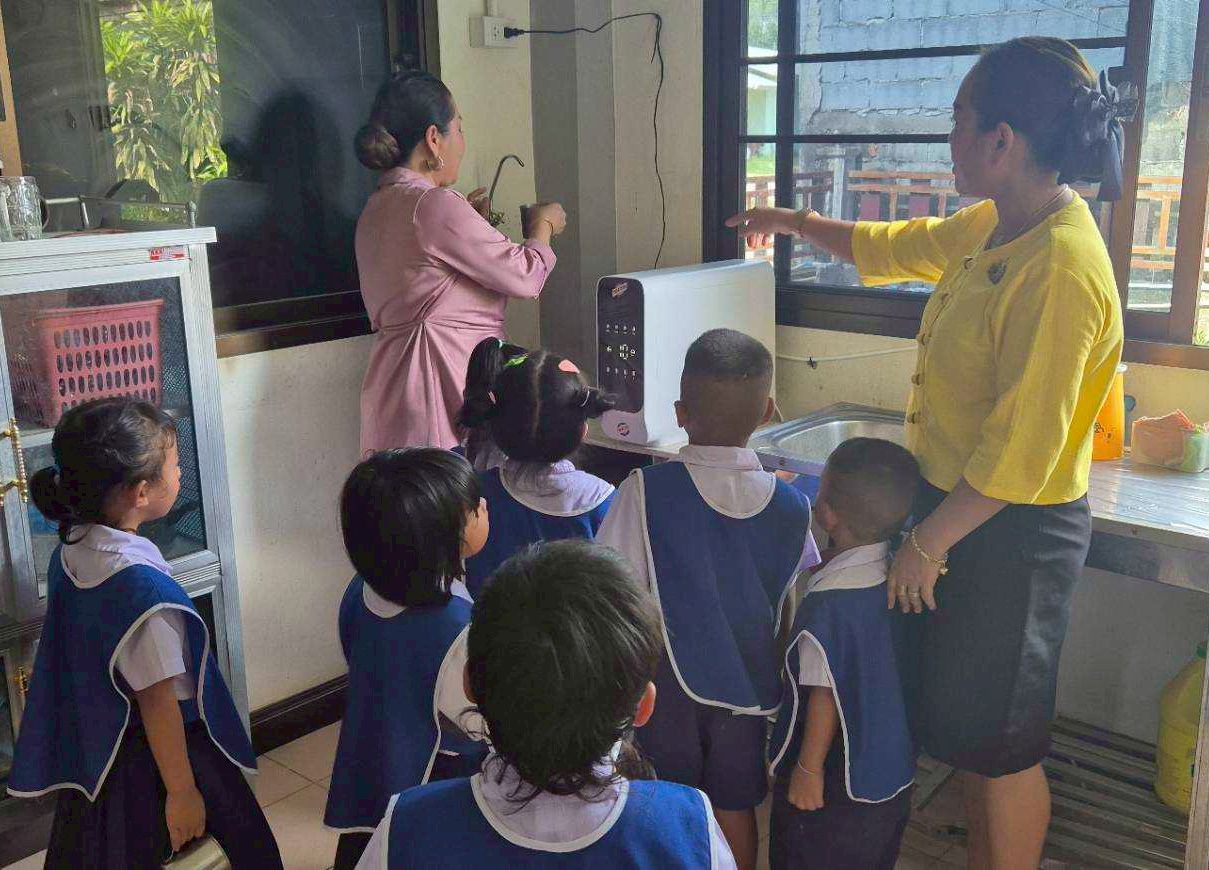
•Clean Drinking Water Provision in Phitsanulok: Following a proactive community needs assessment, we collaborated with local leaders to install a clean drinking water system at the Ban Nong Makang Child Development Center. This initiative strengthens essential local infrastructure, ensuring young students have consistent access to safe, hygienic water while uplifting overall public health and community well-being.
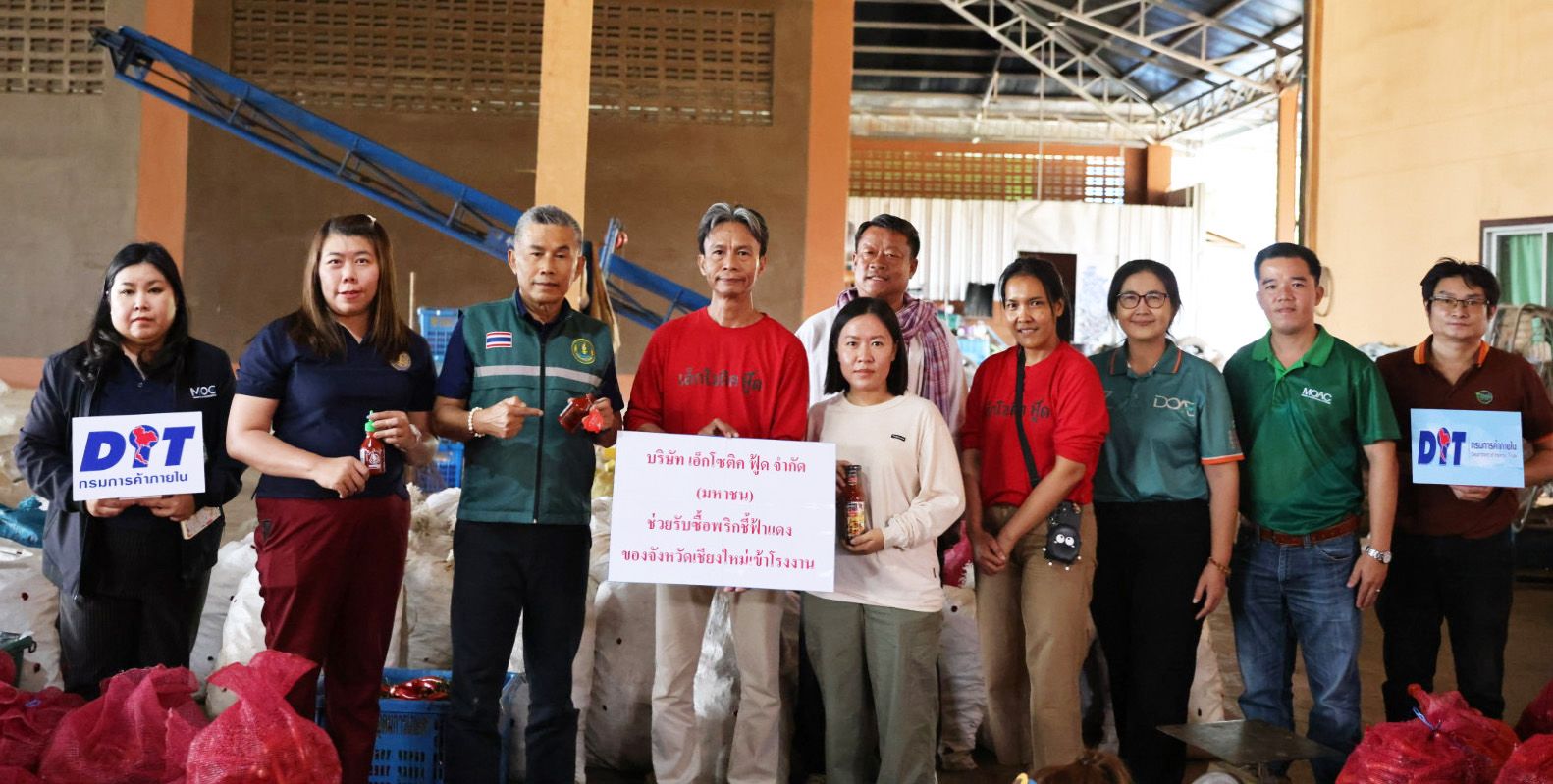
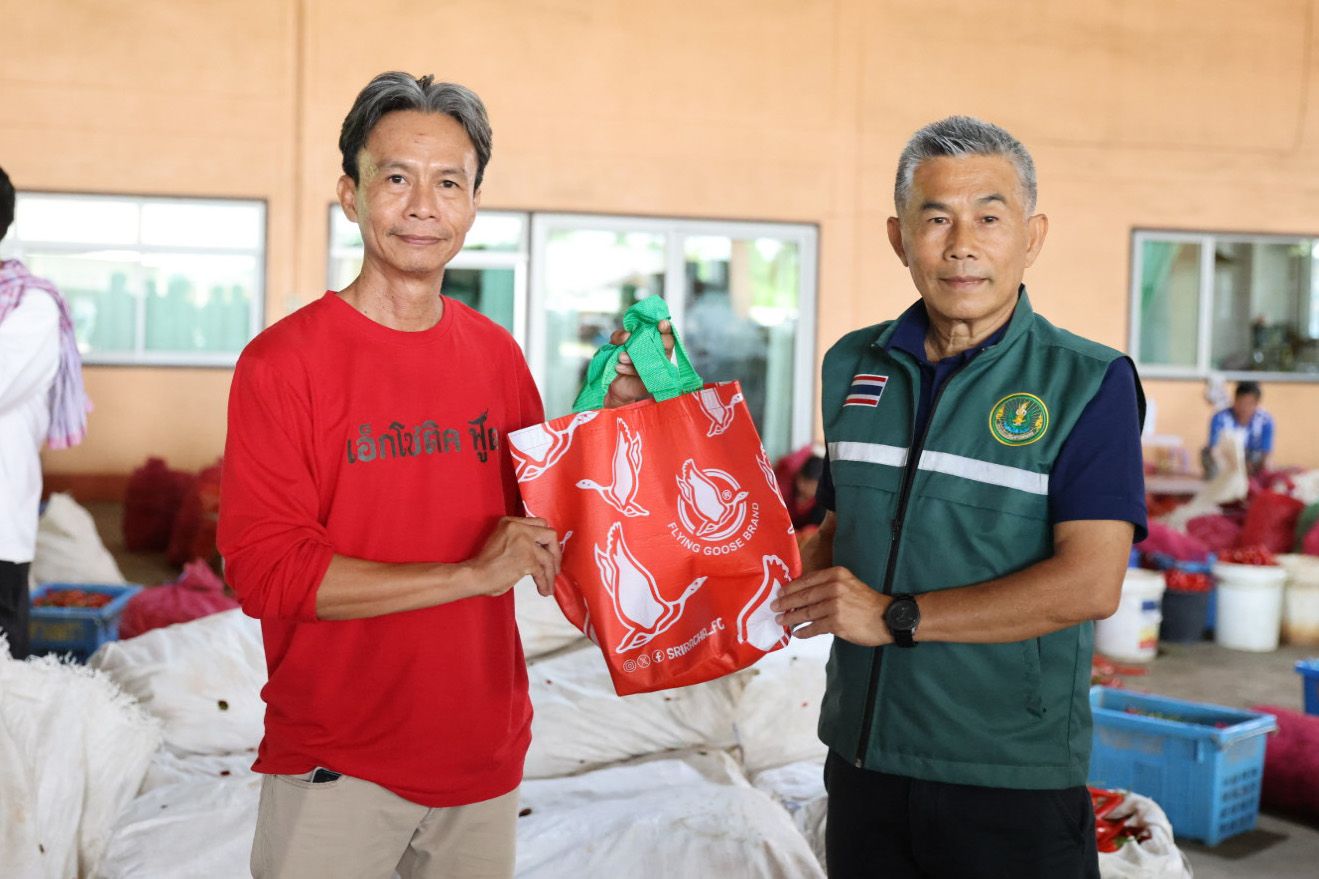
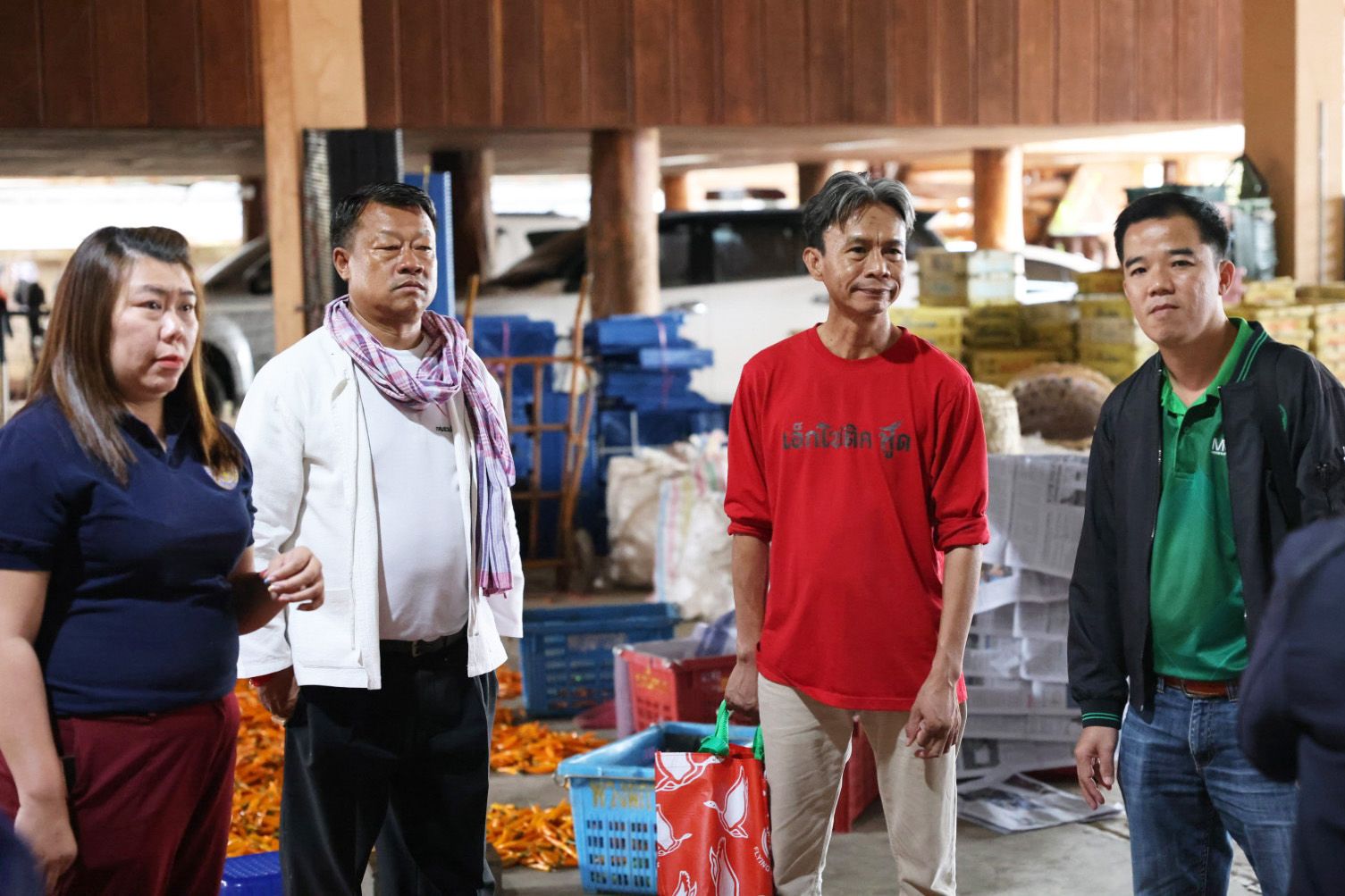
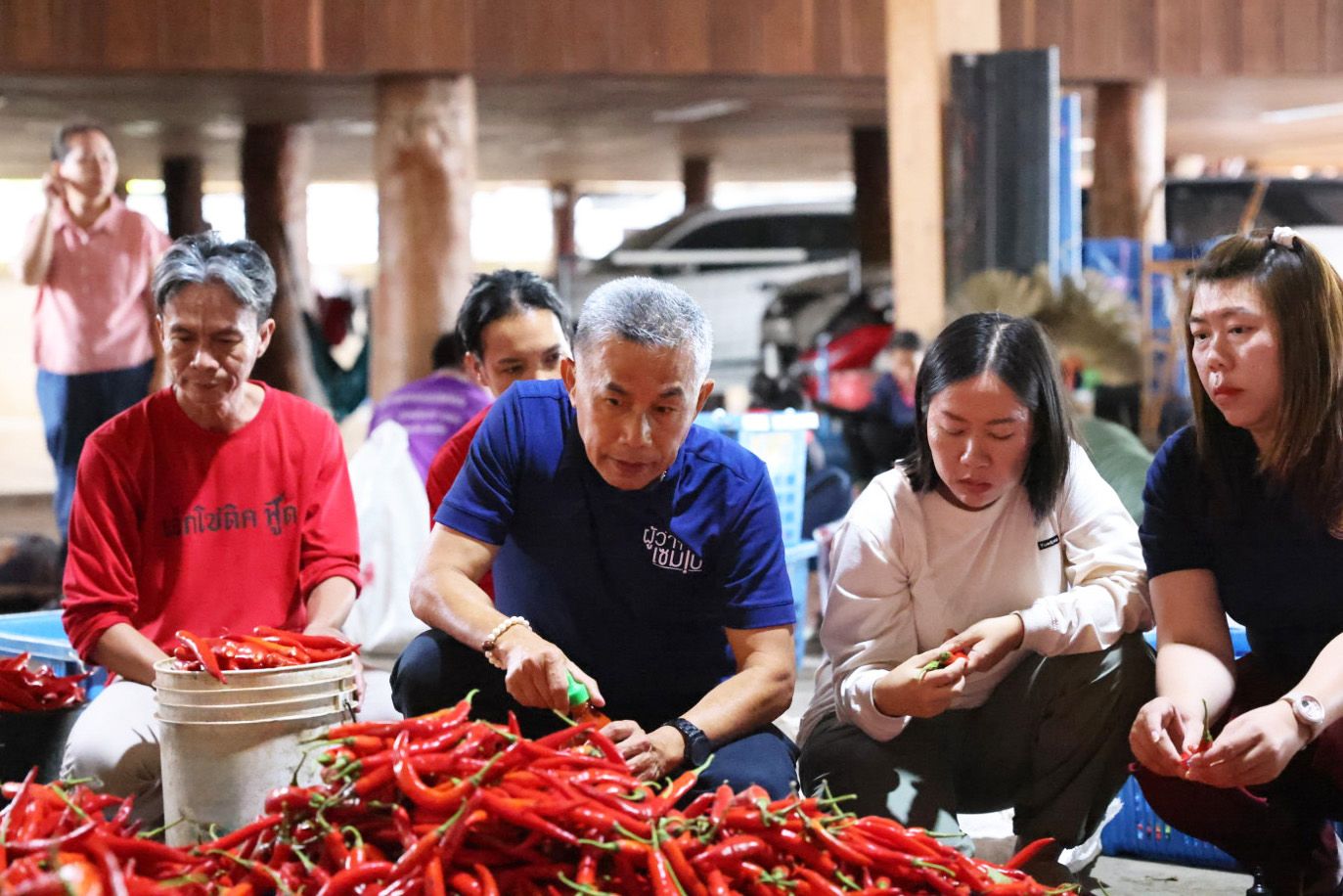
•Market Stabilization for Chiang Mai Farmers: In collaboration with the Department of Internal Trade and the Chiang Mai Provincial Commercial Office, we urgently stepped in to assist chili farmers in Hot District who were facing an acute agricultural oversupply. By purchasing the surplus produce, we helped stabilize local market prices, secure farmer incomes, and support the broader resilience of the regional agricultural economy.
OUTCOMES AND IMPACT OF OUR COMMUNITY INITIATIVES
Our continuous implementation of these social and community programs enables us to generate positive, shared value across multiple dimensions:
- •Stakeholder Engagement and Social License to Operate: Strengthening relationships and building mutual understanding with surrounding communities minimizes the risk of conflict and fosters trust. This ensures our facilities can operate smoothly with the full, ongoing support of local residents.
- •Local Economic and Social Development: Developing the capabilities of our farming partners, stabilizing local agricultural markets, and supporting equitable access to education empowers local human capital. This forms a vital foundation for securing long-term resilience and sustainability across our entire supply chain.
- •Employee Engagement and Pride: Providing educational grants for our employees' children and actively engaging in hands-on disaster relief reflects our core corporate ethics. This commitment to care positively influences our workplace culture, boosts team morale, and strengthens overall employee retention.
- •Reputational and Social Risk Mitigation: Adhering to human rights principles and practicing responsible community stewardship protects our corporate reputation and proactively lowers social risks. This ensures business continuity and drives stable, sustainable growth alongside the communities we serve.