
Customer Responsibility
Exotic Food PCL is committed to empowering global consumers through uncompromising product safety, transparent labeling, and health-focused innovation. By adhering to international quality standards, fostering agricultural partnerships, and maintaining robust compliance frameworks, we ensure every product earns and preserves consumer trust across our international markets.
PARTICIPATION IN INDUSTRY & PUBLIC SECTOR INITIATIVES
At Exotic Food PCL, we believe that maintaining high standards of product safety, driving continuous improvement, and advancing sustainable agriculture across our supply chain cannot be achieved alone. We actively participate in multi-stakeholder networks, industry initiatives, and government-backed programs to align our products and raw material sourcing with recognized national and international standards.
1. Thai SELECT National Certification Program (Ministry of Commerce)
To support national initiatives that promote recognized Thai food standards globally, Exotic Food actively participates in the Thai SELECT program, governed by the Department of International Trade Promotion (DITP), Ministry of Commerce.
- Official Product Certification: 10 of our key products across our core brands—including Exotic Food, Flying Goose, and Thai Pride—have been officially awarded the Thai SELECT Seal of Approval (valid May 2025 - April 2028).
- Quality & Authenticity Recognition: This government-backed program certifies that our products meet established quality evaluation criteria, reflect authentic Thai culinary characteristics, and utilize standardized packaging for international markets.
2. Collaborative Initiative for Safe and Sustainable Agricultural Supply Chains
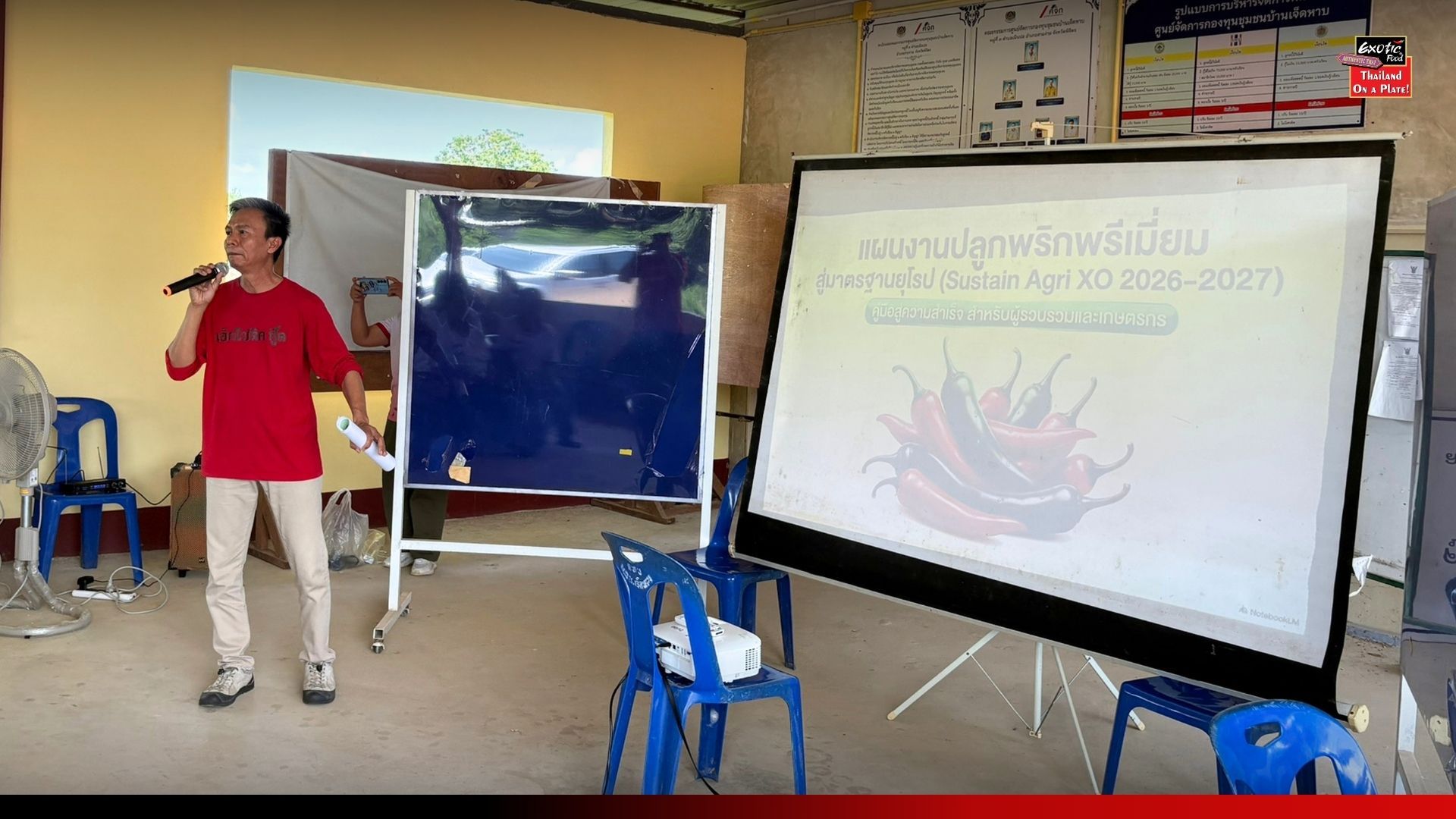
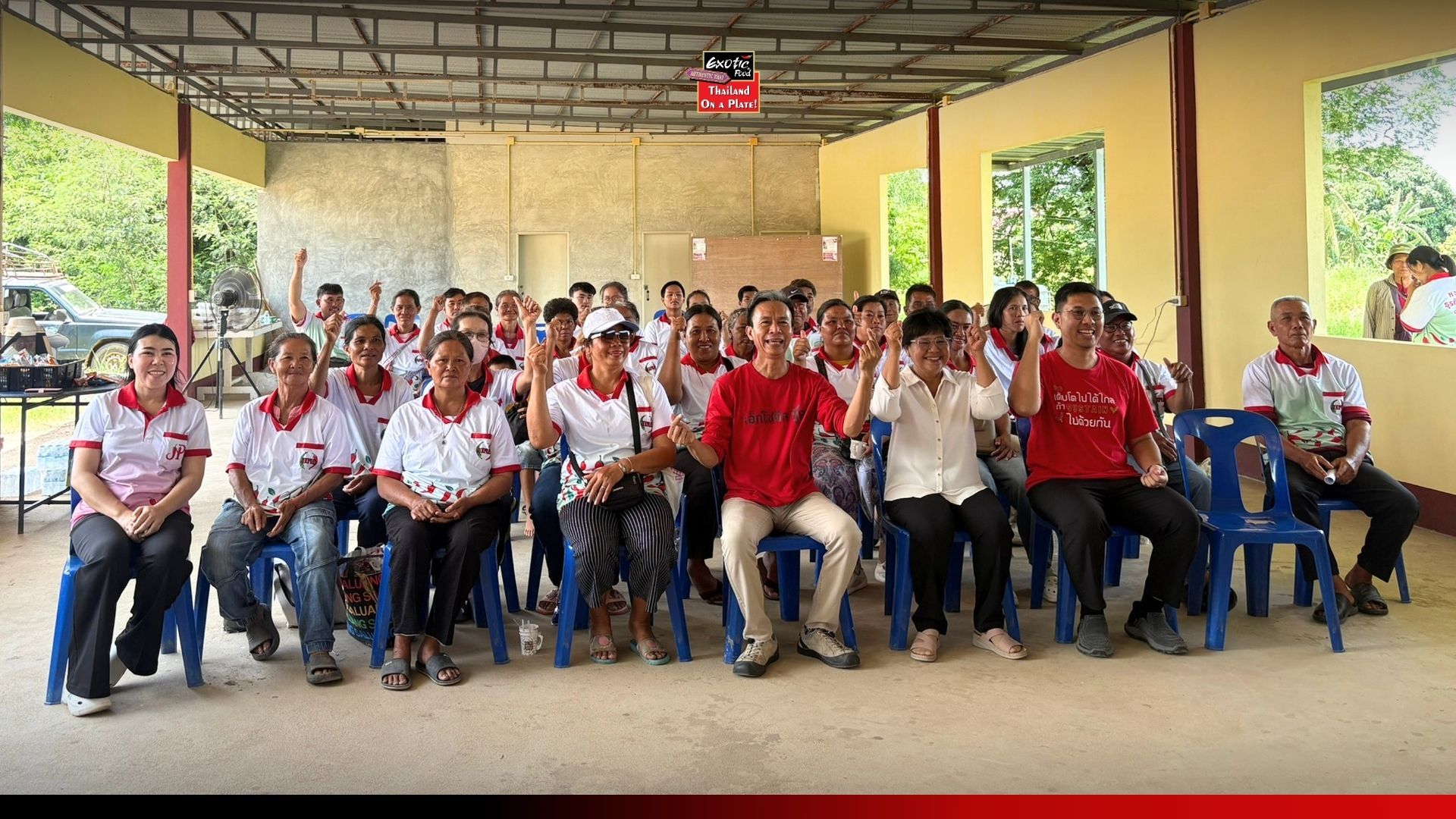
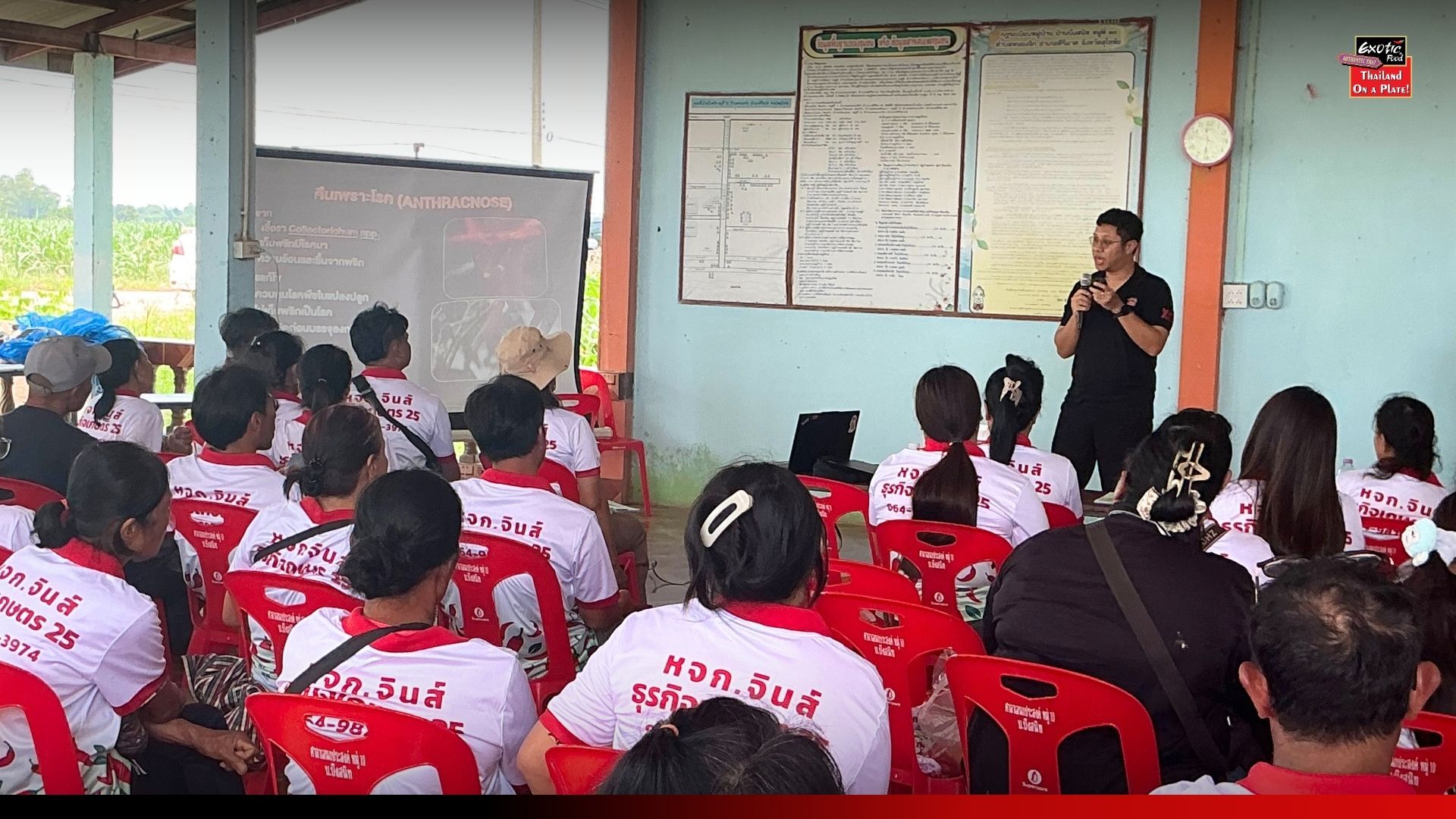
Building on our ongoing agricultural engagement in 2025, we expanded our collaborative initiative with agricultural specialists from the Department of Agriculture (DOA), local extension offices, our farmers, and chili suppliers. This joint initiative is designed to elevate local farming practices in alignment with international quality standards and Good Agricultural Practices (GAP).
Key Activities and Implementation:
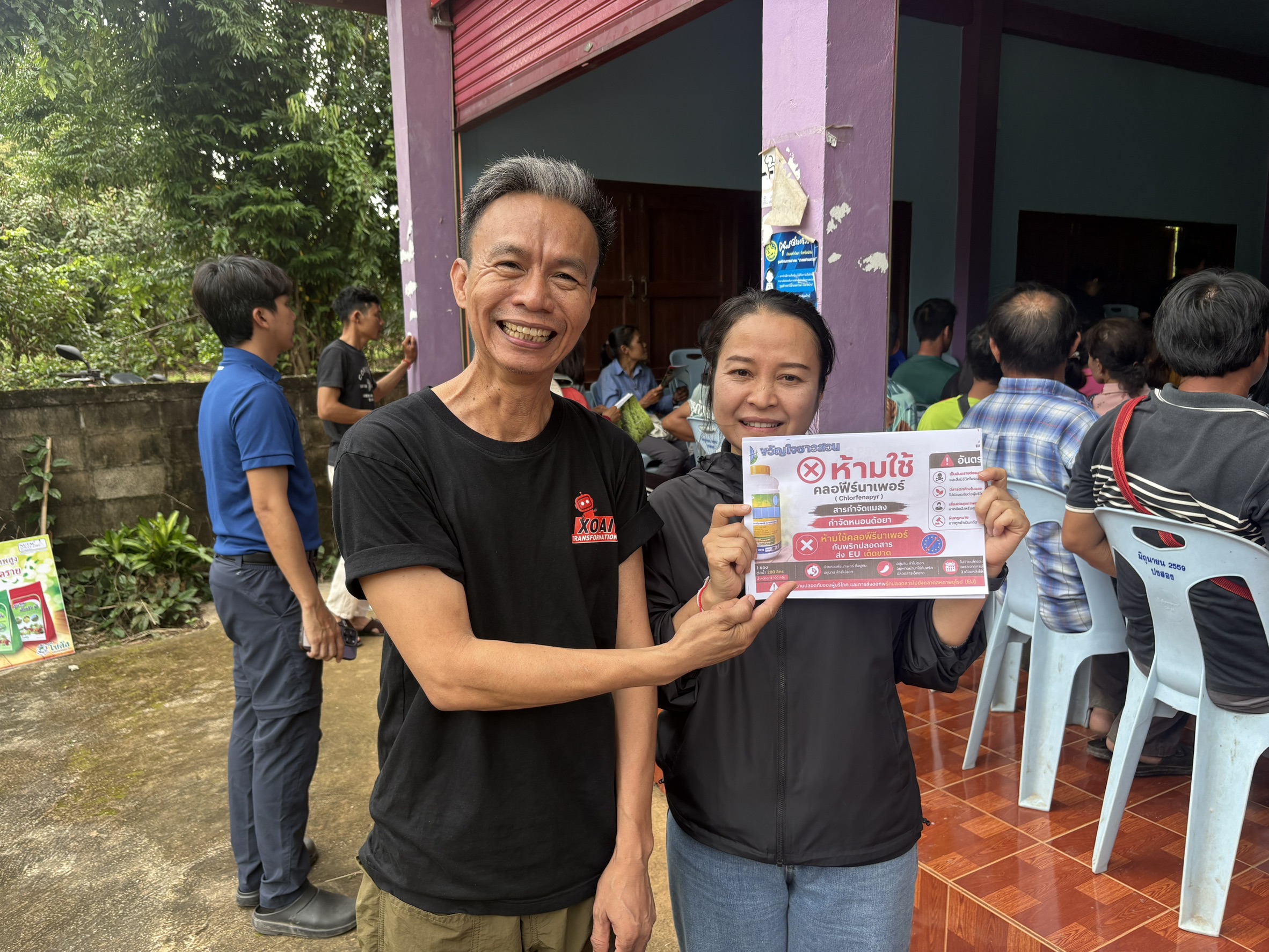
- Farmer Training Sessions: We organized targeted training workshops across key agricultural areas, educating local chili farmers on Good Agricultural Practices (GAP) standards, responsible crop management, and farm-level record-keeping for traceability.
- Promoting Bio-Controls: A core focus of this initiative is reducing chemical dependency by encouraging farmers to adopt bio-controls and natural biological treatments.
- Adopting Recommended Practices: In collaboration with local agricultural officers, we promote natural herbal extracts, such as the "Por. Dor. 7" formula developed by the Land Development Department, to manage pests effectively while maintaining safe pre-harvest intervals.
Outcomes and Impact on Product Safety:
Through this multi-stakeholder collaboration, we empower our agricultural supply chain to deliver food-safe, high-quality, and fully traceable raw materials. These sustainable farming practices support long-term crop resilience and secure a stable supply of safe, high-quality agricultural products for our global consumers.
PRODUCT DEVELOPMENT
At Exotic Food PCL, we recognize our role in supporting global consumer health and wellness. As part of our commitment to enhancing the nutritional profiles of our sauces and meeting health-conscious dietary preferences, we actively invest in targeted research and development to optimize our core sauce lines, with a primary focus on sodium reduction.
Nutrition Targets & Performance
To support balanced diets and offer healthier choices to our global consumers, Exotic Food established clear product development goals across three key SKUs—Black Bean Sauce, Sriracha Gochujang, and Sriracha Mayo:
| Product Development Target | Target Timeline | Progress & Results in 2026 |
|---|---|---|
| 1. Develop Low-Sodium Recipes Formulate low-sodium recipes for 3 key products (3 SKUs). | 2026 | Achieved. Successfully reformulated 3 SKUs (Black Bean Sauce, Sriracha Gochujang, and Sriracha Mayo). |
| 2. Sodium Reduction Benchmark Achieve an average sodium reduction of 30% or above across the 3 SKUs. | 2026 | Achieved. The R&D reformulation achieved an average sodium reduction of 42.22% across the 3 SKUs, surpassing the target. |
| 3. Official Commercial Launch Officially launch the low-sodium product line (3 SKUs) to the market. | 2027 | In Progress. Product development, laboratory testing, and sales sampling were completed in 2026, positioning the product line for market launch in 2027. |
Promoting Healthier Choices & Consumer Wellness
Through these targeted R&D initiatives, Exotic Food actively responds to evolving global dietary needs. By offering reduced-sodium options under our commercial brands, we empower consumers to make healthier lifestyle choices while preserving the authentic taste and quality expected of our products.
RESPONSIBLE MARKETING, QUALITY ASSURANCE & CONSUMER PROTECTION
Responsible Marketing, Labeling & Quality Compliance
We are committed to providing transparent, accurate, and reliable product information to safeguard consumer rights and maintain trust. Our marketing, advertising, labeling, and quality management practices uphold our Customer Responsibility Policy alongside certified international food safety standards. We actively execute these principles across all brand operations to safeguard consumer rights, maintain global trust, and satisfy regulatory expectations.
Staff Training & Knowledge Systems
To ensure relevant personnel remain knowledgeable and aligned with evolving regulatory standards, we actively promote continuous, job-specific training. Responsible team members participate in at least two specialized training courses per year focused on international food laws, labeling, and regulatory compliance, supported by regular assessments to reinforce practical knowledge application in their daily roles.
Building upon this continuous learning culture, we are integrating AI tools in 2026 to further elevate our regulatory governance. Through a specialized digital chatbot focused on global allergen requirements, we streamline access to essential legislative data—ensuring our labeling practices remain agile, proactive, and responsive to changing international regulatory landscapes.
Compliance Monitoring & Performance
To ensure ongoing alignment with our policy commitments and international food regulations, Exotic Food PCL systematically maintains high standards of product labeling accuracy, upholding certified quality management systems and tracking key performance indicators across our operations.
| Quality & Labeling Compliance Target | Target Timeline | 2025 Results |
|---|---|---|
| 1. Labeling Regulatory Compliance Maintain zero regulatory complaints regarding product label accuracy. | Ongoing (Annual) | Achieved. Zero non-compliance complaints received. |
| 2. Food Law Regulatory Updates Execute timely reviews and updates of international food labeling regulations. | Ongoing (Annual) | Achieved. 100% completed on schedule. |
| 3. Quality System Certification (BRC) Maintain international food safety management system audit scores (Grade B or higher) | Ongoing (Annual) | Achieved. |
| 4. License & Certification Management Maintain 100% validity across all quality, food safety, and regulatory certifications. | 0 unrenewed cases / year | Achieved. 100% renewed with zero lapse. |
PROTECTION OF CONSUMER HEALTH & VULNERABLE GROUPS
Protection of Vulnerable Groups: Food Safety & Allergen Governance
As a global food exporter supplying diverse international markets, Exotic Food PCL recognizes that maintaining sound, stringent product safety and quality management is fundamental to protecting all consumer groups, including those with specific dietary sensitivities. We uphold best practices and maintain certified international food safety management systems—such as BRC, IFS, and HACCP—to ensure total quality control across our manufacturing operations.
1. Recognition & Allergen Governance
Allergen control and management represent one of the most critical focus areas within our quality assurance framework. We proactively address potential risks at every operational stage:
- Global Standard Alignment: We align our allergen management frameworks with international food safety expectations and regulatory requirements across our key export destinations.
- End-to-End Quality Management: Allergen controls are embedded seamlessly across ingredient sourcing, facility handling, and manufacturing processes to maintain product integrity.
- Transparent Packaging Disclosures: We carefully evaluate product formulations to ensure clear, accurate packaging disclosures, helping consumers with specific dietary sensitivities make well-informed purchasing decisions.
2. Proactive Protective Initiatives & Culture
We translate our commitment to consumer protection into structured operational practices, product options, and internal safety programs:
- Operational Controls & Facility Hygiene: We enforce strict handling, storage, and processing protocols alongside verified sanitation procedures to maintain high standards of product cleanliness and cross-contact prevention.
- Transparent Disclosures & Inclusive Product Formulations: We provide clear packaging indications regarding product composition and offer dedicated alternative product ranges—such as "No MSG Added" formulations—to cater to diverse health preferences and dietary requirements.
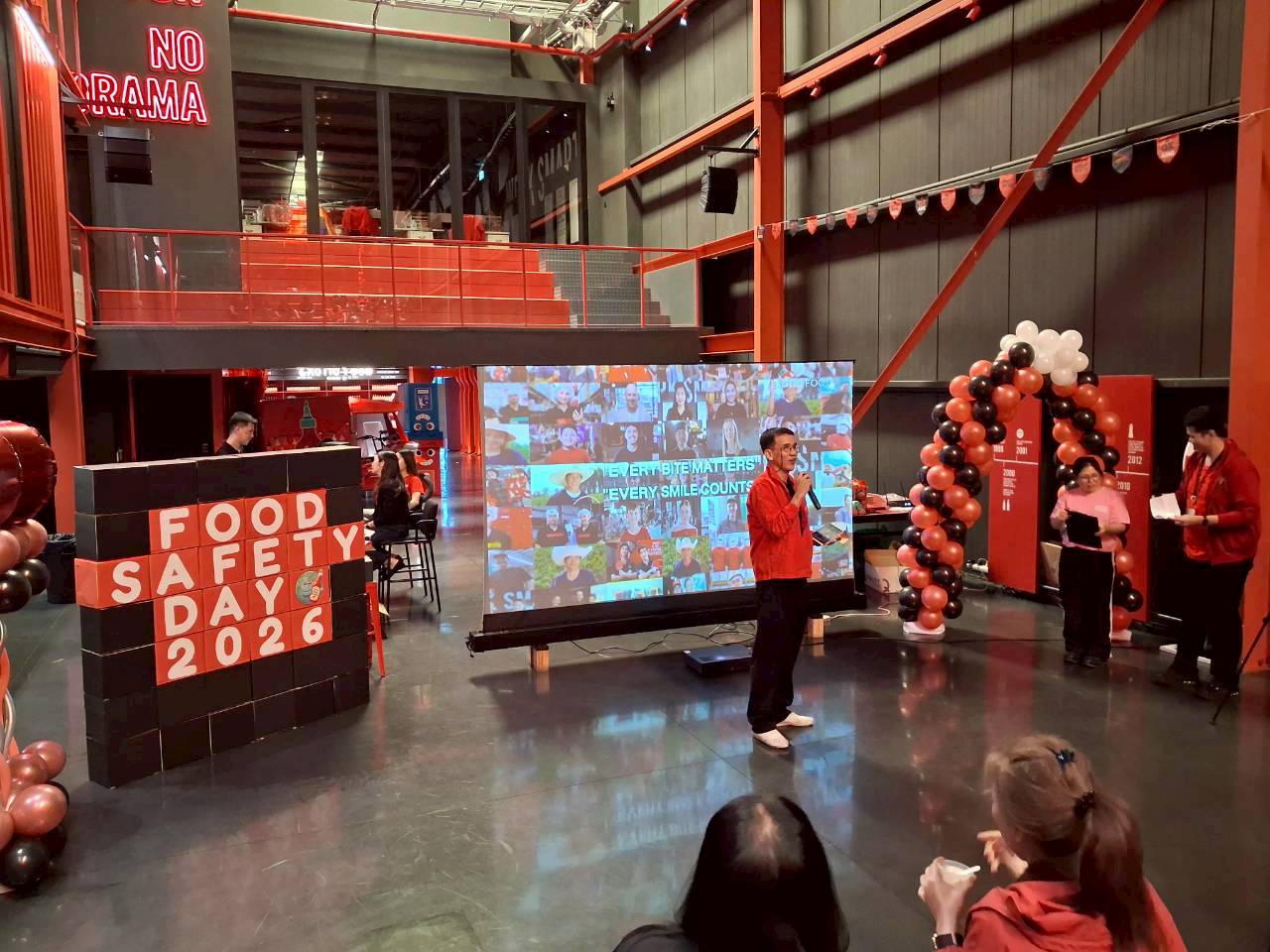
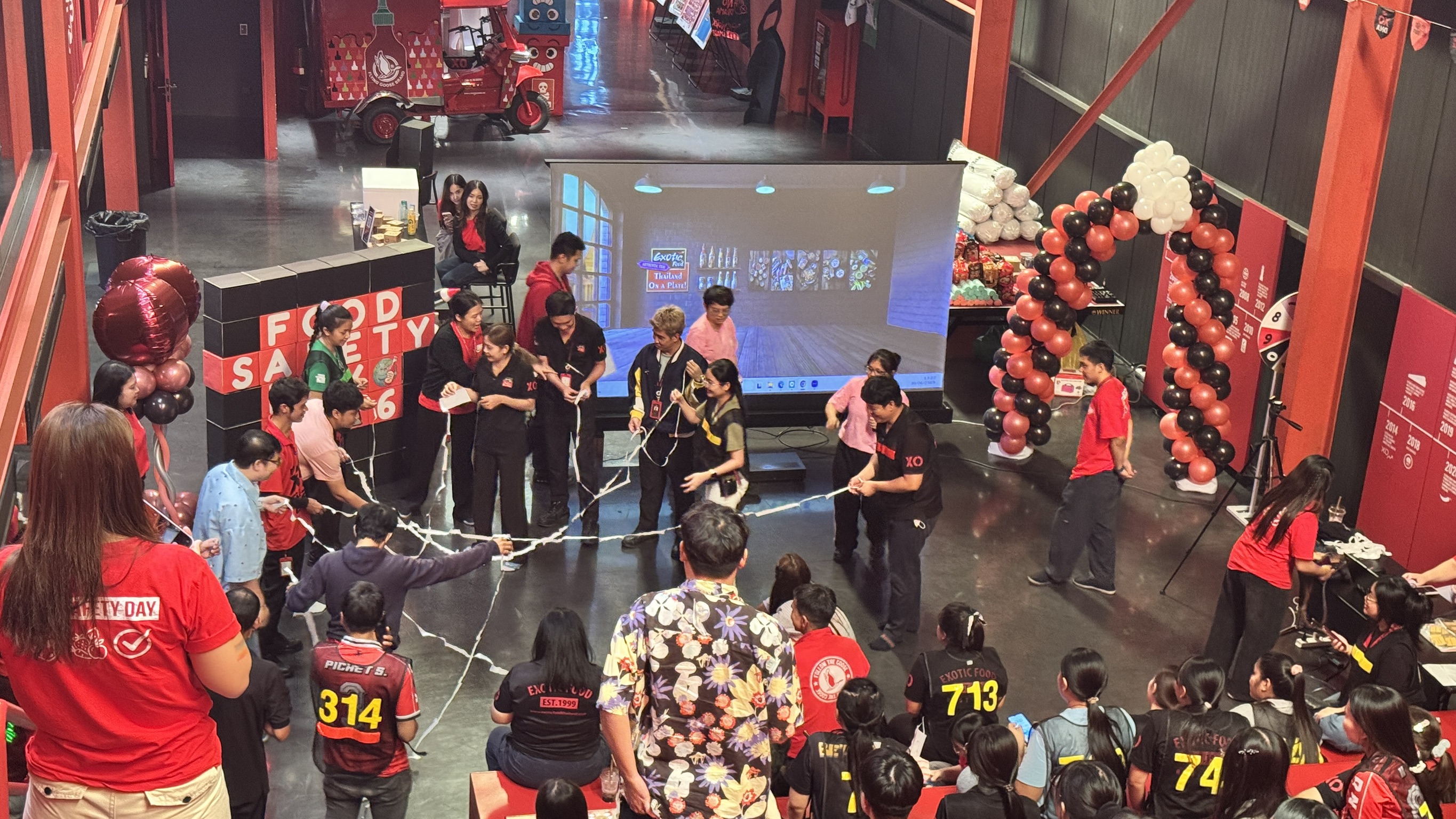
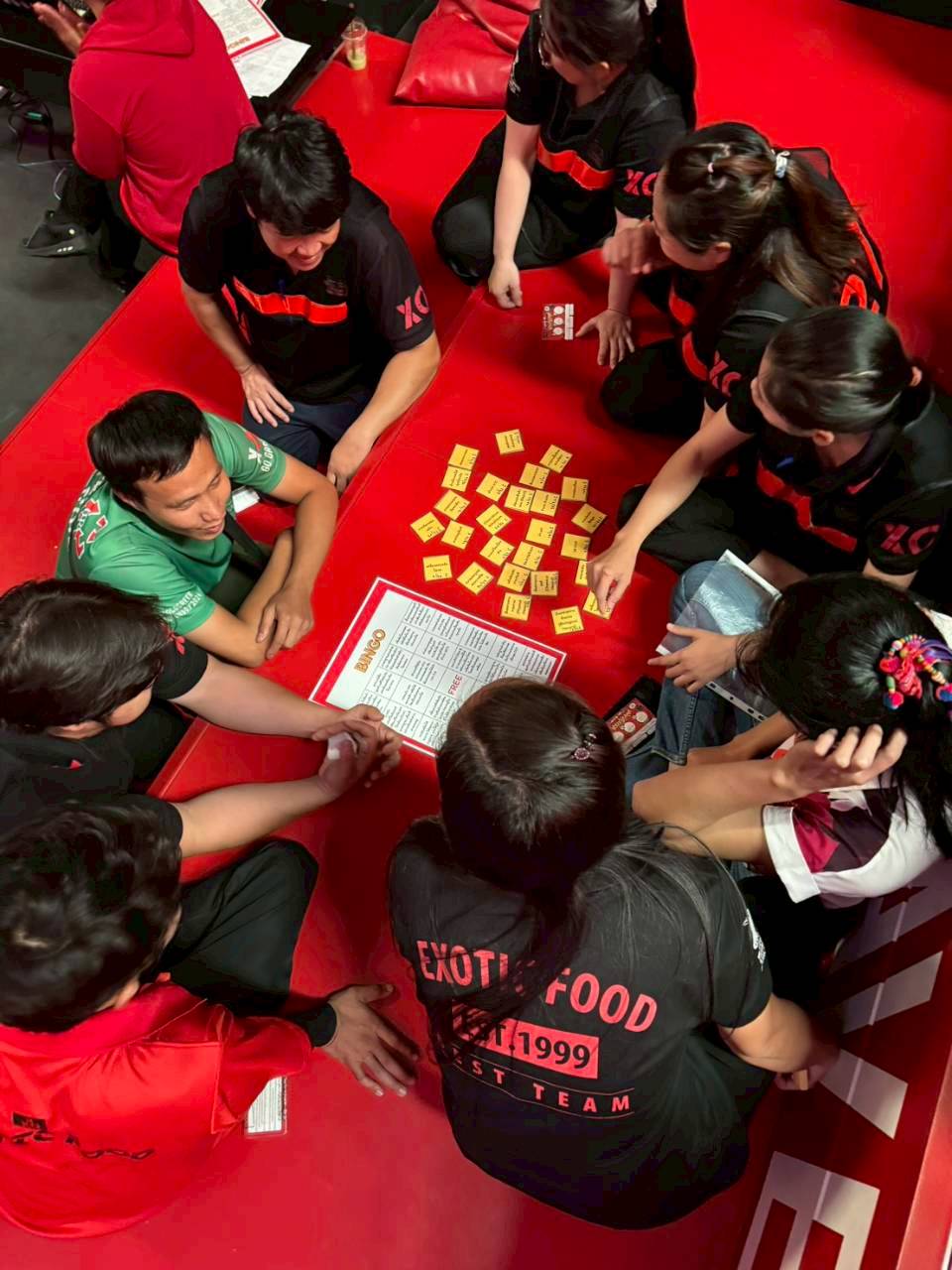
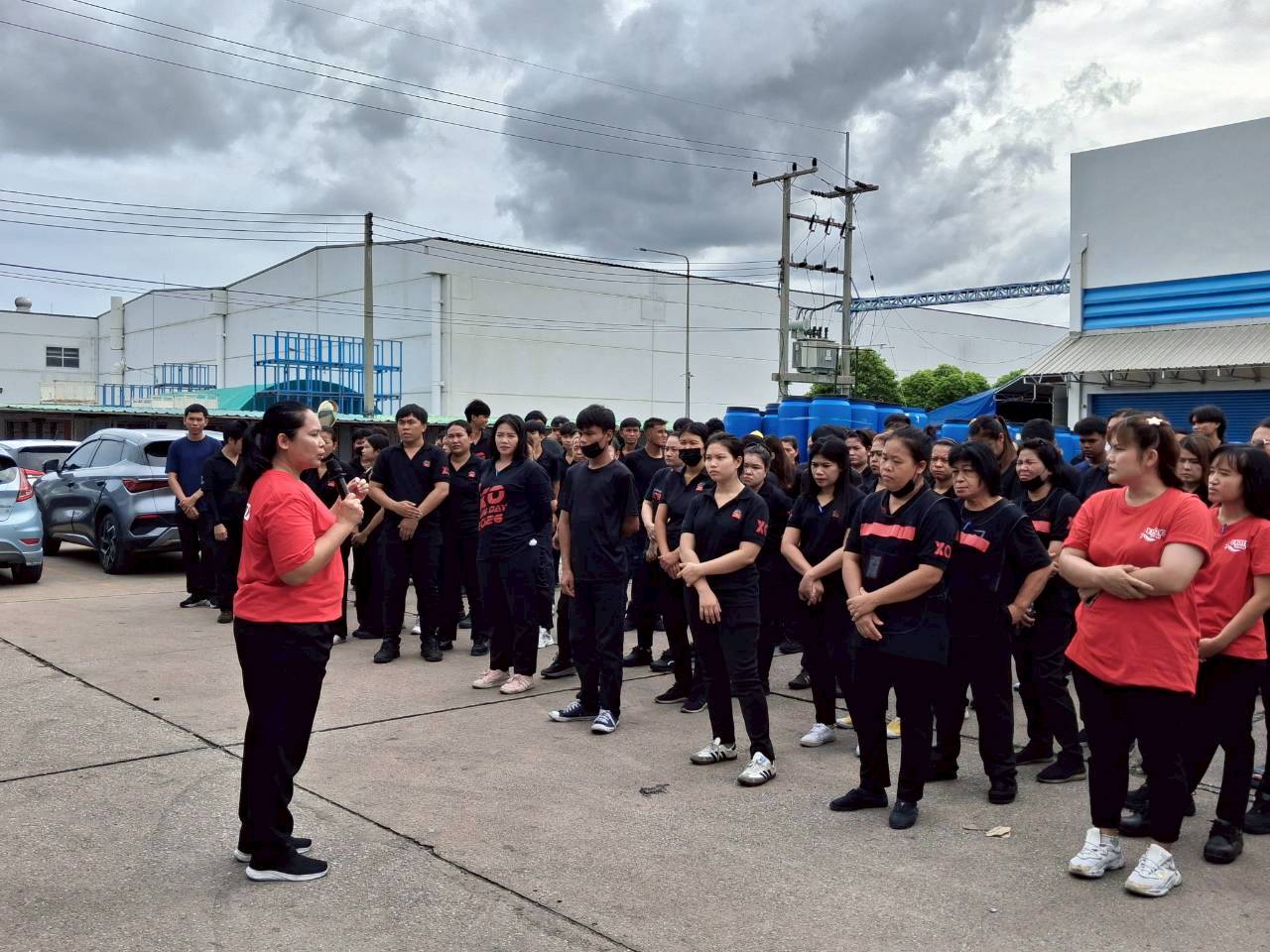
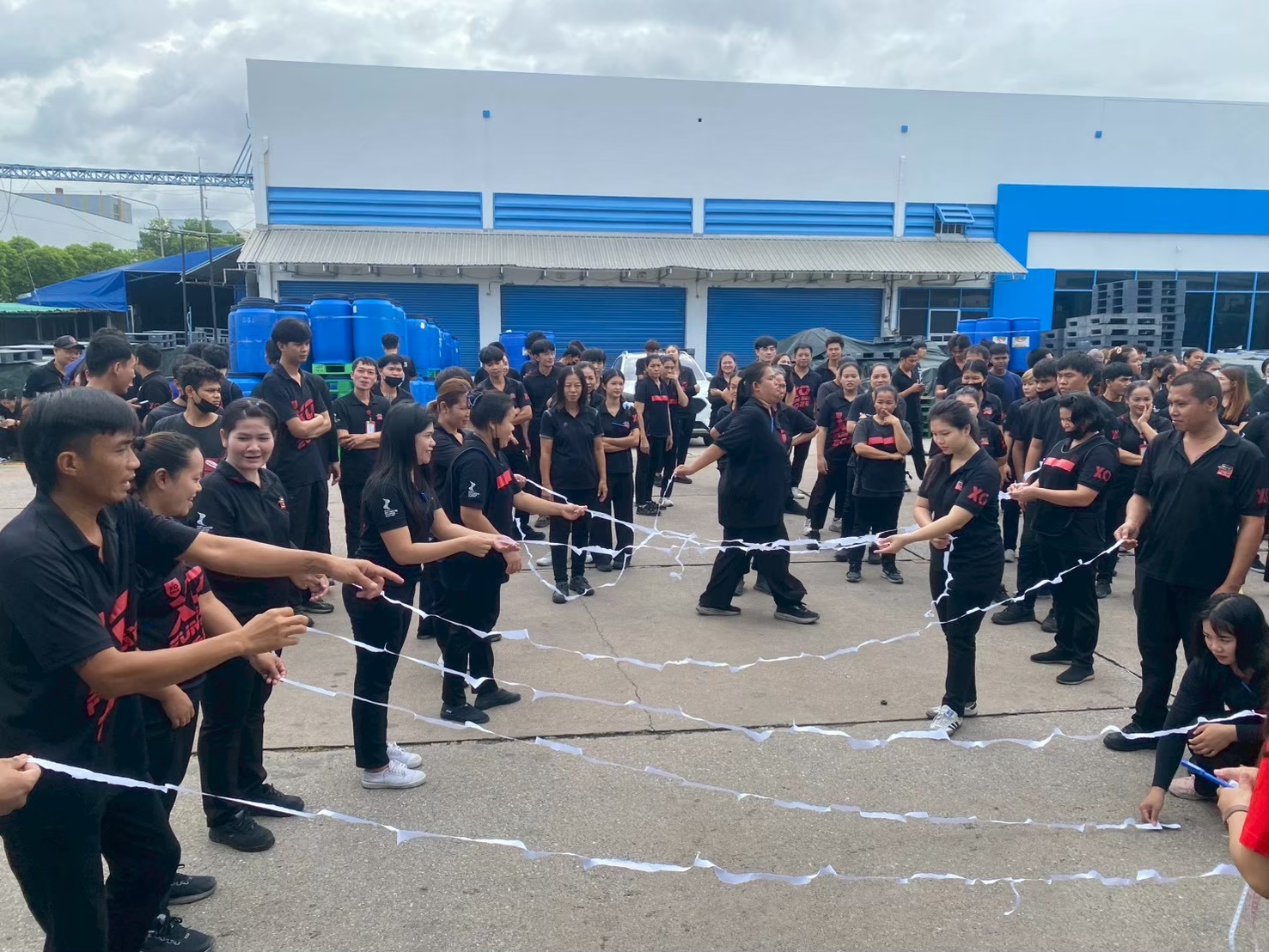
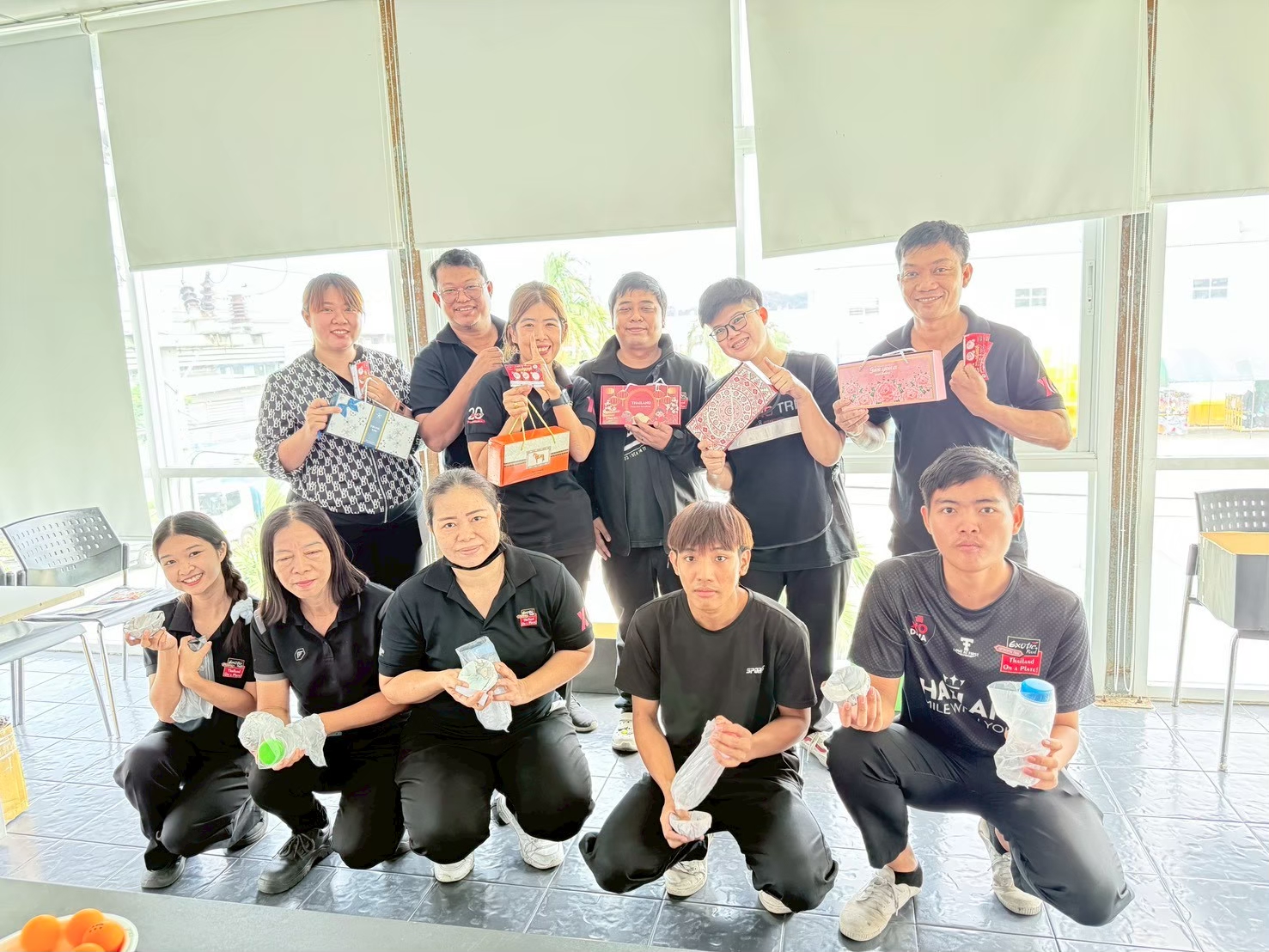
- Cultivating Safety Culture through Food Safety Day: Beyond standard operational procedures, we build a proactive safety culture across our workforce through our annual Food Safety Day. This initiative serves as an interactive platform to reinforce quality mindsets and best practices, utilizing engaging team activities, educational games, and collaborative sessions to connect directly with frontline personnel responsible for product standards.