


WATER SECURITY
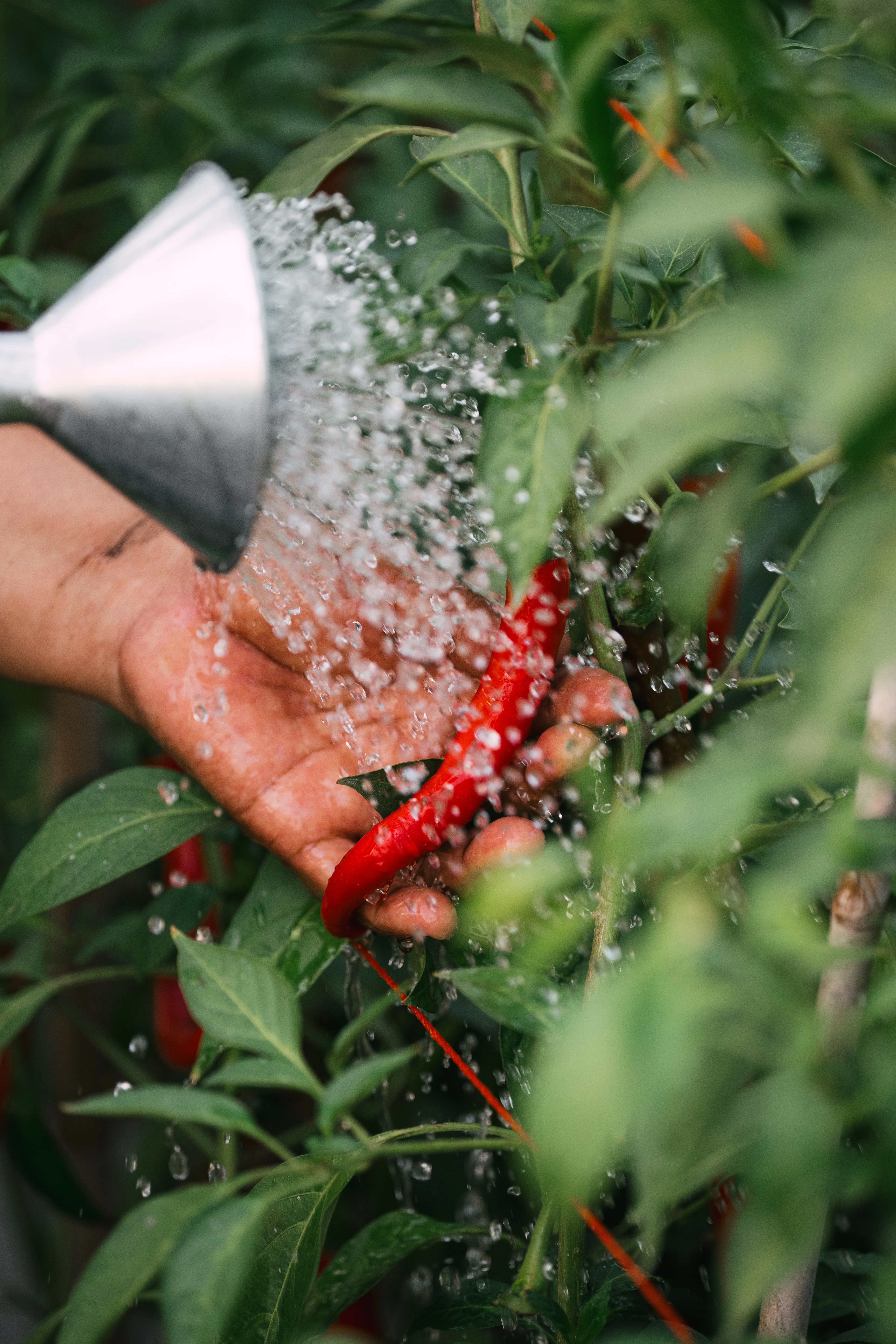
Water management is integrated into the Company's resource efficiency approach, with a focus on reducing water consumption through process improvements, appropriate technology adoption, and effective production planning. Operational processes are regularly reviewed to minimize unnecessary water use while maintaining product quality. Employee engagement is also emphasized, with awareness activities and open channels for frontline employees to propose practical improvement ideas based on real operational experience. Through these combined efforts, the Company aims to systematically reduce water consumption intensity and strengthen responsible water use across its operations.
WATER MANAGEMENT PLAN
The company recognizes and prioritizes the sustainable use of water resources, committing to elevating internal water management standards for maximum efficiency, while simultaneously reducing environmental impact, through the following plans and measures:
- 1. Enhancing water use efficiency in production processes, focusing on controlling and monitoring water consumption by machinery, to analyze methods for reducing waste and improve production processes for the most valuable water utilization.
- 2. Promoting water reuse, driving the concept of a circular economy through the management of water obtained from cleaning processes, by recirculating water of appropriate quality for use in other activities that do not come into contact with products, in order to reduce the consumption of raw water from various sources.
- 3. Raising awareness among personnel, promoting and instilling a conservation mindset regarding water among employees at all levels, to foster a culture of valuable water use and encourage organization-wide participation.
Proportion of sites with a water management plan
| Plan | Head Office | Amata City Plant | Laem Chabang Plant | Phitsanulok Plant | proportion of sites with a water management plan (%) |
|---|---|---|---|---|---|
| Enhance water use efficiency | ✔ | ✔ | 50% | ||
| Water recycling | ✔ | 25% | |||
| Raising employee awareness | ✔ | ✔ | ✔ | ✔ | 100% |
WATER STRESS AREAS
To proactively evaluate our exposure to water-related physical risks, we utilized the WWF Water Risk Filter. The assessment identified that three of our locations—our Headquarters, and the Amata City and Laem Chabang production plants—are situated in High-risk water stress areas. Meanwhile, our Phitsanulok raw materials production facility operates in a Low-risk zone.
Water Stress Areas by Branch Using the WWF Water Risk Filter Tool
| Site | Location | Operation Type | Baseline Water Stress |
|---|---|---|---|
| Head Office | Bangkok, Thailand | Office | High risk |
| Amata City Plant | Rayong, Thailand | Manufacturing Plant | High risk |
| Laem Chabang Plant | Chonburi, Thailand | Manufacturing Plant | High risk |
| Phitsanulok Plant | Phitsanulok, Thailand | Primary Processing Facility | Low risk |
Based on our 2025 data, 95% of our total water withdrawal was sourced from high water stress areas, while the remaining 5% was drawn from low water stress areas.
Water Withdrawal Data per Site
| Site | Unit | 2023 | 2024 | 2025 |
|---|---|---|---|---|
| Head Office | m3 | 75 | 87 | 94 |
| Amata City Plant | m3 | 98,996 | 105,454 | 103,977 |
| Laem Chabang Plant | m3 | 50,842 | 58,424 | 59,661 |
| Phitsanulok Plant | m3 | N/A | 14,454 | 8,783 |
| Total | m3 | 149,913 | 178,419 | 172,515 |
| Proportion of Water Withdrawal by Site | |
|---|---|
| Areas with water stress | Areas without water stress |
| 95% | 5% |
TARGET & RESULT
Target
Reduce water withdrawal intensity by 5% year-over-year (YoY)
Result
| Water Management | Unit | 2023 | 2024 | 2025 |
|---|---|---|---|---|
| Total water withdrawal from all areas by source | m3 | 149,913.00 | 178,419.00 | 172,515.00 |
| Water discharge by destination | m3 | 113,209.20 | 131,102.40 | 138,702.24 |
| Total water consumption | m3 | 36,703.80 | 47,316.60 | 33,812.76 |
| Water withdrawal Intensity | Water withdrawal / ton product | 6.8 | 6.29 | 6.78 (+7.88%) |
In 2025, the Company successfully reduced its absolute water consumption across operations, reflecting the positive impact of our ongoing water efficiency initiatives. However, water consumption intensity per ton of product increased by 7.88% compared to the 2024 base year. This variance was primarily due to production schedule adjustments during the reporting year, which led to a higher allocation of fixed operational water use—such as essential system sanitation and utility maintenance—per unit of output.
To counteract this trend, the Company is continually implementing targeted upgrades and has planned two water efficiency projects for 2026 to further increase efficiency where possible. These projects include:
1.) Recycled Water Utilization Initiative: Utilizing recycled water for the first rinse in the machinery Clean-In-Place (CIP) process, as well as supplying it to the cooling tower system.
2.) CIP Spray Ball Upgrade Project: Replacing static spray balls with high-efficiency rotary spray balls in the CIP washing system, which will significantly help reduce overall water consumption.