


Health & Safety
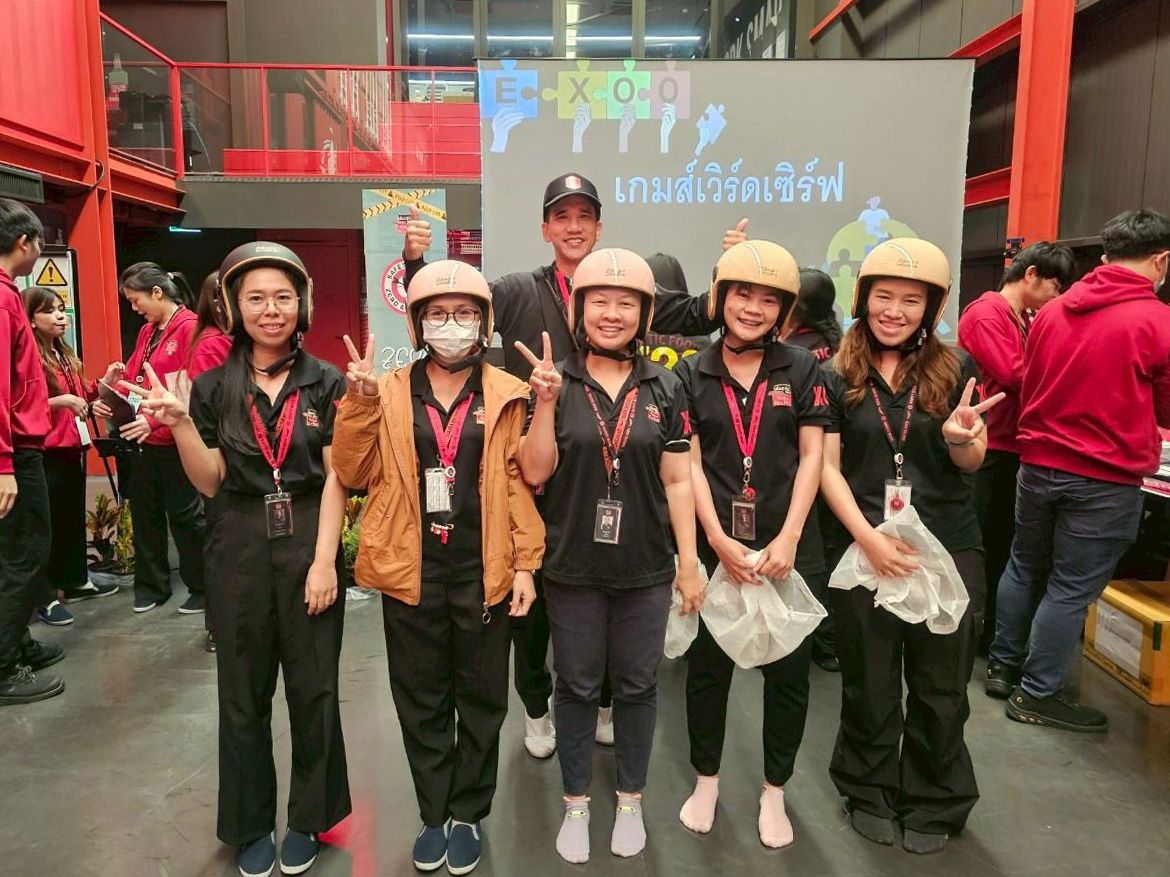
The Company recognizes that a safe and healthy workforce is the foundation of our sustainable growth. Therefore, we place the highest priority on protecting the physical well-being and working environment of our employees and contractors. We are deeply committed to preventing accidents, injuries, and occupational illnesses as we actively work toward a “Zero Accident” goal, ensuring strict compliance with all relevant safety regulations and our overarching Sustainability Policy.
OCCUPATIONAL HEALTH AND SAFETY MANAGEMENT FRAMEWORK
The Company implements a systematic approach to occupational health and safety management. We ensure that our workforce is comprehensively protected across all aspects of our operations through the following framework:
1. Risk Identification and Assessment
We continuously conduct risk assessments across work areas and operational processes to identify potential health and safety hazards. We achieve this through targeted data analysis:
- Statistical Data Analysis: Analyzing historical accidents and near-miss records to identify trends and potential hazard points.
- Health Data Analysis: Evaluating employees’ annual health check-up results in conjunction with their job functions to identify work processes that may adversely impact their well-being. This includes proactively screening vulnerable groups or at-risk groups to address the potential issues at their root causes.
2. Action Plan Implementation
Following the risk assessments, we execute three core measures to mitigate identified risks:
- Safety Culture Measures: Fostering an environment where safety is a shared responsibility through targeted promotion and awareness activities, such as our Safety Week.
- Safety Competency Measures: Providing tailored occupational health, safety, and working environment training programs. These are customized to the specific risks of each job function, ensuring all personnel are equipped to perform their duties safely and correctly.
- Well-being Interventions: Conducting annual, risk-based health monitoring and check-ups alongside preventive health programs designed to mitigate specific occupational risks and prevent work-related illnesses.
3. Tracking and Monitoring
To ensure the achievement of our primary goal of a “Zero Accident” workplace, we have established rigorous safety targets and performance indicators that are continuously monitored and reported. Our key metrics include:
- Zero work-related fatalities
- Zero Lost Time Injury Frequency Rate (LTIFR)
4. Communication and Grievance Mechanism
We prioritize two-way communication and active employee engagement by implementing the following systems:
- Communication: Consistently sharing safety policies, operational measures, and performance results with our employees and contractors.
- Grievance Mechanism: Providing easily accessible channels for feedback and formal grievances regarding the working environment and safety. Employees are encouraged to report risk areas or unsafe conditions at any time.
Case Study: Occupational Health & Safety Risk Assessment
| Risk Category | Risk Events | Impacted Stakeholders | Vulnerable Group at Risk | Current management / Mitigation measures | Risk Level | Additional Mitigation Plans |
|---|---|---|---|---|---|---|
| Health and Safety | Noise-Induced Hearing Loss (NIHL) caused by noise from machine operation during packaging and labeling activities. | - Employee | - Technician (Labeling) - Operator (Labeling) | - Conduct follow-up noise monitoring in the workplace to ensure compliance with legally permissible limits. - Implement job rotation for employees. - Require employees to wear earmuffs while operating the carton forming machine. | High | - Require employees to take a rest break every 2 - 4 hours of work. - If the noise exceeds the standard limit, implement engineering controls such as installing acoustic panels, machine enclosures, or equipment replacement. |
CASE STUDY: INCIDENT REVIEW AND CONTINUOUS SAFETY IMPROVEMENT
An incident occurred during a machinery setup process, resulting in an injury to an employee's finger. The employee received immediate care, and a thorough review was conducted to prevent recurrence.
1. Investigations and Findings
The subsequent safety investigation identified opportunities to strengthen our operational protocols. The root causes were linked to a gap in procedure adherence, specifically:
- Alignment with Standard Operating Procedures (SOPs): The investigation revealed that the machinery was not completely isolated (stopped) prior to the setup phase.
- Process Adherence: There was a need to strictly reinforce step-by-step operational sequencing, ensuring that efficiency does not compromise safety protocols.
2. Corrective and Preventive Actions
To remediate this gap and proactively prevent recurrence, the Company has implemented the following systemic improvements:
- Targeted Retraining: We conducted comprehensive refresher training for all production personnel. This training heavily emphasized mandatory machine-isolation protocols and the critical importance of verifying that machinery is fully stopped before making any manual adjustments.
- Enhanced Visual Controls: To support our frontline workers, we developed and installed clear, highly visible operating procedure signage directly on the equipment. These visual controls serve as constant, point-of-use reminders to ensure strict adherence to safe operational steps.
SAFETY TRAINING
The Company systematically builds safety awareness and enhances the operational capabilities of our employees. Our initiatives are designed to equip employees with the practical competencies required to execute their duties safely. To achieve this, the Company delivers comprehensive occupational health and safety training programs, structured into two core areas:
1. Mandatory Courses
These courses are designed to raise safety awareness and ensure compliance with legal requirements. In 2025, a total of 62 participants successfully completed the training, covering the following target groups:
- General Employees: Basic Safety training for new hires, transferred employees, or those changing work locations, as well as Basic Fire Fighting training.
- Specialized High-Risk Roles: Boiler operators, LPG station supervisors, electrical workers, confined space workers, and forklift drivers.
- Safety Management Personnel: The Occupational Safety, Health and Environment Committee (OSHE Committee), Safety Officers at the Executive Level, and Safety Officers at the Supervisor Level.
2. Health, Safety Management System, and Risk-Based Courses
These courses and activities are designed to respond to proactive risk assessments and promote overall well-being, categorized into three core areas:
- Safety: Promoting a safety culture through annual training, Safety Week activities, and proactive awareness campaigns, such as Safe Driving and the "Near-Miss Reporting" initiative.
- Health: Aiming to prevent occupational illnesses through the Hearing Conservation Program and training on the correct usage of Personal Protective Equipment (PPE).
- Emergency Response: Preparing for crises through Advanced Fire Fighting drills, chemical/LPG leak response, electrical fire suppression, and Basic First Aid.
Occupational Health and Safety Training Summary for 2025
| Training Category | Key Courses | Target group | Result |
|---|---|---|---|
| 1. Mandatory Courses | |||
| New hiresTargets 100 % Transferred employeesTargets 100 % Specialized OperatorsTargets 100 % Safety Officer & Safety CommitteeTargets 100 % | 100 % 100 % 100 % 100 % | |
| 2. Health and Safety Management System / Risk-based | |||
| 2.1 Safety |
| General EmployeeTargets 100 % | 98% |
| 2.2 Health |
| Section-Specific Operational StaffTargets 100 % | 100% |
| 2.3 Emergency Response |
| Specialized OperatorsTargets 100 % | 100% |
Target
- Zero Accident Rate
- Zero work-related fatalities
- Zero Lost Time Injury Frequency Rate (LTIFR)
Result
Employee
| Indicator | Unit | 2023 | 2024 | 2025 |
|---|---|---|---|---|
| Total accidents | Cases | 3 | 9 | 1 |
| Recordable work-related injuries | Cases/1,000,000 work hours | 2.75 | 8.14 | 1.09 |
| Lost -time accidents | Cases | 3 | 5 | 0 |
| Lost-Time Injuries Frequency Rate (LTIFR) | Cases/1,000,000 work hours | 2.75 | 4.52 | 0 |
| The number of cases of recordable work-related ill health | Cases | 0 | 0 | 0 |
| The number of fatalities as a result of work-related injury | Persons | 0 | 0 | 0 |
The formula for calculating safety data:
- Recordable work-related injuries rate = Total number of injuries (cases) at all levels / Number of hours worked (over the reporting period) x 1,000,000 hours worked.
- Lost-Time Injuries Frequency Rate (LTIFR) = Total number of lost time injuries (cases) over the reporting period / Total hours worked (over the reporting period) x 1,000,000 hours worked.
- Occupational Illness Frequency Rate (OIFR) = Total number of occupational diseases (cases) over the reporting period / Total hours worked (over the reporting period) x 1,000,000 hours worked.
- Lost-time = An injury resulting in an absence from work for at least one full working day, excluding the day of the incident.